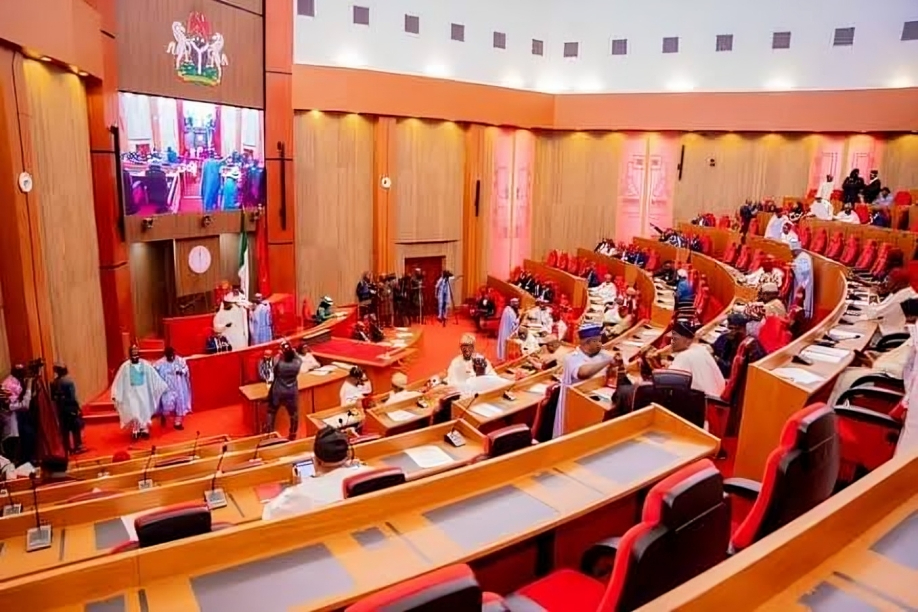
A major milestone in Nigeria’s pursuit of equitable state creation and inclusive development is taking shape as an overwhelming number of senators in the 10th National Assembly have reportedly thrown their weight behind the proposed creation of Anioma State.
The proposal, which seeks to establish Anioma as the sixth state in the Southeast geopolitical zone, has gained remarkable traction. With about 90 senators – far above the constitutionally required two-thirds majority – reportedly supporting Senate Bill 481, observers say the initiative has never been closer to reality.
Spearheading the movement is Senator Ned Nwoko, representing Delta North Senatorial District. Nwoko has garnered unprecedented bipartisan support, drawing endorsements from leaders across party lines, religious affiliations, and regional divides.
The bill, formally introduced in the Senate as part of the ongoing constitutional amendment process, is aimed at correcting what proponents describe as the “historical underrepresentation” of the Southeast in Nigeria’s state structure. It also seeks to strengthen national cohesion and federal balance.
Among those publicly endorsing the proposal are Deputy Senate President Barau Jibrin, Senate Leader Michael Opeyemi Bamidele, and Senate Minority Leader Abba Moro. Their support is viewed as critical in steering the bill through legislative hurdles.
Other prominent backers include former governors Adams Oshiomhole (Edo), Seriake Dickson (Bayelsa), Orji Uzor Kalu (Abia), and Southeast political heavyweight Victor Umeh. The coalition also boasts endorsements from former Ogun State Governor Gbenga Daniel, FCT Senator Ireti Kingibe, former Plateau Governor Simon Lalong, and Anambra North Senator Tony Nwoye.
Political analysts describe this unified support as a reflection of the proposal’s national appeal and a sign of its strong prospects for both legislative passage and eventual executive assent.
In a letter dated May 27, 2025, Senator Nwoko urged Senate President Godswill Akpabio and his colleagues to rally behind the bill, stressing the “urgent need for justice, equity, and inclusive development” in Nigeria’s federal arrangement.