The newly enacted Nigeria Tax Act has granted Value Added Tax (VAT) exemptions to several key goods and services, offering relief to consumers and businesses ahead of the law’s implementation on January 1, 2026. The reform is one of four sweeping tax bills signed into law by President Bola Tinubu on June 26, aimed at overhauling Nigeria’s tax administration system.
The legislation, now part of the broader fiscal reform framework, includes the Nigeria Tax Administration Act, the Joint Revenue Board (Establishment) Law, and the Nigeria Revenue Service (Establishment) Act. Together, they establish a new revenue collection agency — the Nigeria Revenue Service (NRS) — which will replace the Federal Inland Revenue Service (FIRS) as the country’s central tax authority.
A key highlight of the Nigeria Tax Act is the exemption of about 15 categories of goods and services from the standard 7.5 percent VAT. Additionally, another 19 items will be taxed at a zero percent rate, providing a dual mechanism for lowering the tax burden while maintaining compliance structures.
The VAT-exempt items are expected to include basic foodstuff, agricultural inputs, medical products, educational materials, and other essential services, though a final gazette of the full list is awaited. Fiscal analysts say the move could help stimulate consumption and production in sectors key to national development.
The four tax laws, set to be enforced through the NRS, are also expected to strengthen revenue generation, reduce leakages, and harmonize tax processes between federal and state actors.
SUPPLIES EXEMPTED FROM VAT
| No. | ITEM |
| 1 | Oil and gas exports |
| 2 | Crude petroleum oil and feed gas for all processed gas |
| 3 | Goods purchased for use in humanitarian donor funded projects |
| 4 | Baby products |
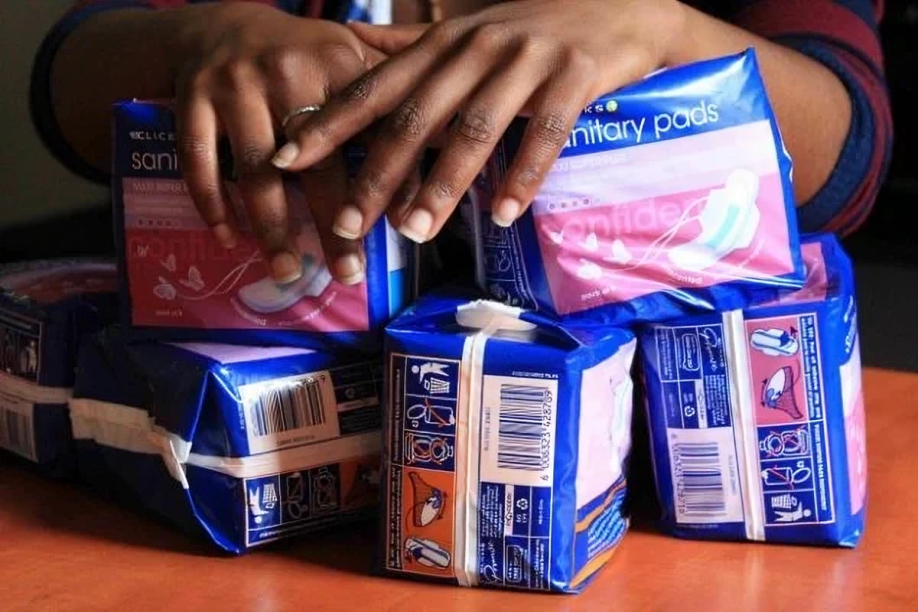
| 5 | Locally manufactured sanitary towels, pads or tampons |
| 6 | Military hardware, arms, ammunitions and locally manufactured uniforms supplied to armed forces, para-military and other security agencies of a Nigerian government |
| 7 | Shared passenger road-transport service |
| 8 | Purchase, hire, rental or lease of tractors, ploughs and other equipment used for agricultural purposes. |
| 9 | Supplies consumed by an approved entity in the export processing or free trade zones, provided that the supplies are consumed on its approved activity |
| 10 | Goods or services supplied to a diplomatic mission, diplomat or person recognised under the Diplomatic Immunities and Privileges Act whose activity is in public interest, and not for profit |
| 11 | Plays and performances conducted by educational institutions as part of learning |
| 12 | Land or building including interest in land or building |
| 13 | Money or securities including interest in money or securities |
| 14 | Government licences |
| 15 | Assistive devices and disability-related products including hearing aids, wheelchairs, and braille materials |
TAXABLE SUPPLIES CHARGED TO VAT AT 0%
| No. | ITEM |
| 1 | Basic food items |
| 2 | All medical and pharmaceutical products including medicinal herbal products |
| 3 | Educational books and materials |
| 4 | Fertilisers |
| 5 | Locally produced agricultural chemicals |
| 6 | Locally produced veterinary medicine |
| 7 | Locally produced animal feeds |
| 8 | Live cattle, goats, sheep and poultry |
| 9 | agricultural seeds and seedlings |
| 10 | Electricity generated by generation companies (GENCOs) and supplied to national grid or Nigeria Bulk Electricity Trading Company (NBET) |
| 11 | Electricity transmitted by Transmission Company of Nigeria (TCN) to electricity distribution companies (DISCOs) |
| 12 | Medical services |
| 13 | Tuition relating to nursery, primary, secondary or tertiary education |
| 14 | Exported goods excluding oil and gas |
| 15 | Exported services |
| 16 | Exported incorporeal property |
| 17 | Medical equipment |
| 18 | Electric vehicles |
| 19 | Parts, semi-knock-down units for the assembly of electric vehicles |