The debate over the 2027 Imo governorship election has once again been reduced to the tired refrain of zoning, repackaged as the Charter of Equity.
Instead of interrogating competence, vision, and capacity, the state is trapped in arguments about which senatorial zone should take its turn at Douglas House.
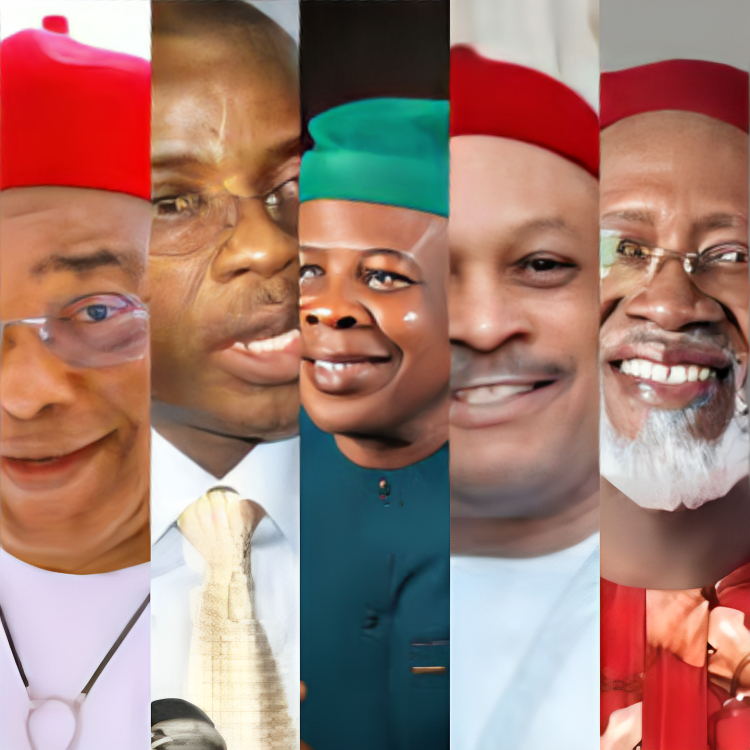
Since 1999, zoning has dictated Imo’s electoral rhythm. The late I.D. Nwoga, then chairman of the ruling PDP, engineered the handover of power to Orlu zone, producing Achike Udenwa as governor.
That single act robbed Owerri zone, which had Humphrey Anumudu — the true winner of the PDP primary and arguably a more prepared candidate. From then on, zoning repeatedly trumped merit in Imo’s politics.
The 2007 election reinforced the pattern. Martin Agbaso, the most prepared candidate with a grassroots-driven vision, was robbed in a political abracadabra that installed Ikedi Ohakim. What triumphed was elite manipulation in the name of zoning.
Too often, this practice has produced “reluctant governors” — men who stumbled into power, not out of burning vision, but because they were beneficiaries of backroom compromises. Governance suffered as a result.
The exceptions remain rare. Rochas Okorocha in 2011 and Emeka Ihedioha in 2019 were arguably the only governors who prepared long and hard for power. Even then, their victories happened despite zoning, not because of it.
As 2027 approaches, the same tired debate is back. Owerri and Okigwe zones are both laying claims, each insisting equity demands the next governor must come from their fold.
But amid this noise, the real question is drowned out: who among the aspirants when they surface on the political stage has the competence and blueprint to industrialize Imo, fix its infrastructure, and tackle unemployment?
The post-Mbakwe era has been a tale of squandered opportunities. Imo lags far behind its South-East peers in economic growth, industrial output, and infrastructural renewal.
Zoning has delivered politicians obsessed with patronage, not progress. If zoning dominates 2027, the state risks another wasted decade.
To be fair, zoning has some utility. Defenders say it ensures inclusivity and reduces political tension. Former President Olusegun Obasanjo once argued Africa must adapt democracy to local realities. But when zoning becomes the only determinant, it smothers competence and rewards mediocrity.
What Imo needs in 2027 is not another “turn by zone” but a governor with demonstrable competence, a clear economic vision, and the courage to confront entrenched interests.Equity without excellence is nothing but a hollow victory.
The obsession with zoning also fuels voter apathy. Ordinary Imolites care about jobs, security, and infrastructure — not where a governor comes from. A competent governor uplifts all zones; an incompetent one impoverishes everyone. That is the truth the political elite refuses to face.
The 2027 race offers a chance to break this vicious cycle. For once, competence and vision must outweigh zoning and elite bargains. The next governor must be chosen not by geography, but by ideas, track record, and mission.
Anything less, and Imo will keep recycling accidental governors who govern without purpose, leaving the state stuck in mediocrity. The choice before Imo in 2027 is stark: equity without competence, or competence that guarantees equity. That choice will shape the state’s destiny for decades.
The post-Mbakwe era has been a tale of squandered opportunities. Imo lags far behind its South-East peers in economic growth, industrial output, and infrastructural renewal
–