The Global Prolife Alliance (GPA) has called on the African Union (AU) to urgently reaffirm and enforce the 2001 African Model Law on Safety in Biotechnology, warning that the continent’s food security, biosafety integrity, and scientific sovereignty are under grave threat from foreign-controlled biotechnology interests.
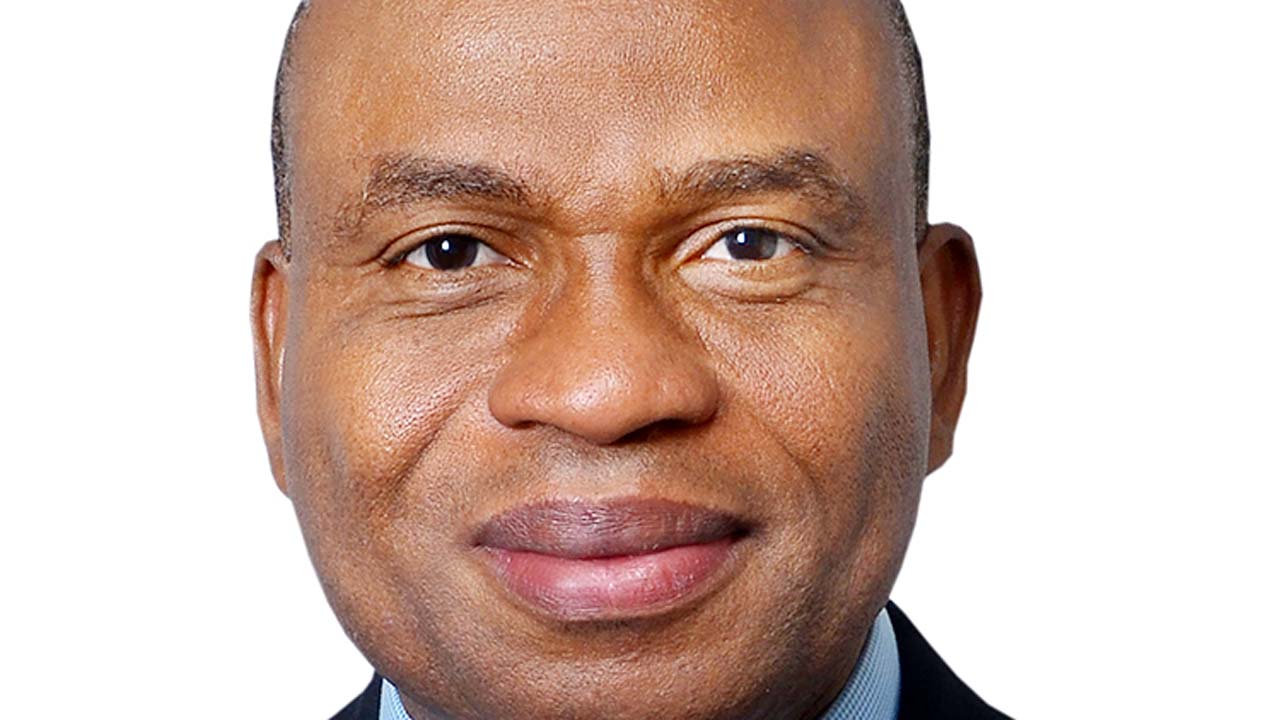
In a letter addressed to the President of the African Union Commission, H.E. Mahamoud Ali Youssouf, and copied to world leaders and international agencies, the Chairman of GPA, Academician Prince Dr. Philip Njemanze (MD, Hons), described the situation as an “existential crisis” for Africa.
According to Njemanze, the African Model Law adopted by the then Organization of African Unity (OAU) was a historic framework built on the precautionary principle, community consent, and national control over genetic resources — a stance that placed human health and environmental safety above foreign commercial interests.
However, he alleged that over the past two decades, this legal safeguard has been systematically weakened. Njemanze accused the NEPAD African Biosafety Network of Expertise (ABNE) — funded by external organizations such as the Bill & Melinda Gates Foundation and coordinated through Michigan State University — of “re-engineering Africa’s biosafety system to serve corporate biotechnology interests.”
He cited reports from the African Centre for Biodiversity (ACB), Third World Network-Africa, and the ETC Group, which, he said, have shown how donor influence has compromised national oversight institutions and replaced sovereign decision-making with “donor-driven dependency.”
The GPA Chairman further alleged that in several African countries, biosafety agencies have been infiltrated by lobby groups posing as technical advisers, who “fast-track approvals for genetically modified crops without sufficient long-term studies on health and environmental impacts.”
Njemanze also warned that corporate-backed seed councils were “marginalizing traditional seed growers and criminalizing indigenous seed exchange,” a development he described as an attack on Africa’s centuries-old agricultural resilience.
Citing a video titled “Shocking! How Eggs Are Criminally Harvested From Women in Nigeria Without Their Knowledge: Njemanze” (watch here),
the GPA claimed that the biotechnology industry’s influence extends beyond agriculture. The video alleges that some women in Nigeria have had their eggs harvested without consent, linking the act to what it described as a “clandestine human-organ cloning industry” connected to major biotech investors.
“This is not just a technical issue,” Njemanze wrote. “It is a matter of continental survival. The African Model Law on Biosafety remains our last legal and moral defense against what can rightly be termed biotech terrorism — the weaponization of genetics and food systems for profit and control.”
The GPA made several urgent recommendations to the AU, including:
- Reaffirming and updating the 2001 African Model Law as the binding continental standard for biosafety regulation.
- Creating an Independent AU Biosafety Oversight Commission for transparency and accountability.
- Mandating full public disclosure of all foreign funding and partnerships in biosafety and agricultural research.
- Investing in indigenous African research and seed innovation to secure the continent’s food sovereignty.
Njemanze appealed to the AU to take immediate steps to restore Africa’s scientific independence and prevent what he described as “external manipulation of its genetic and food systems.”
The letter was copied to several international and regional bodies, including the United Nations, African Heads of State, ECOWAS, WHO, WTO, UNICEF, UNFPA, USAID, DFID, CIDA, the European Parliament, ASEAN, and key Nigerian leaders such as President Bola Tinubu, Vice President Kashim Shettima, Senate President Godswill Akpabio, and House Speaker Tajudeen Abbas.