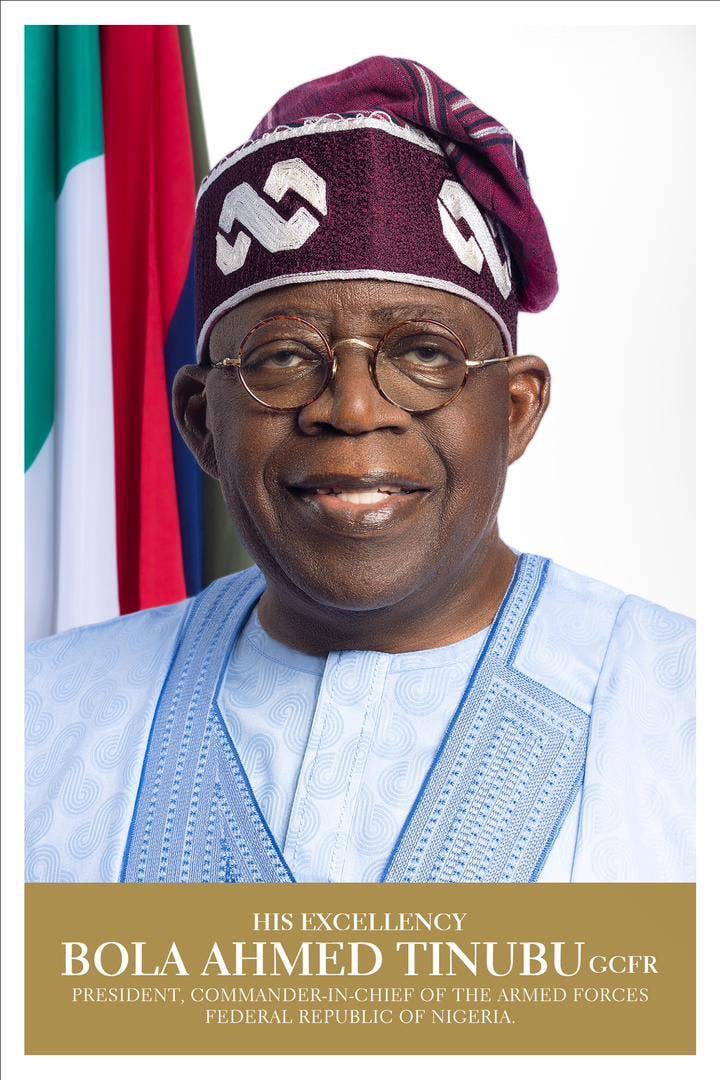
I approach this question with a data-driven lens, drawing on key macroeconomic indicators, policy impacts, and structural trends from May 2023 to late 2025. The query frames Nigeria’s situation as a binary—economic revival or economic detention—stemming from the bold reforms initiated by President Bola Ahmed Tinubu, particularly the removal of fuel subsidies, exchange rate unification, and efforts to address longstanding issues like corruption, infrastructure decay, and institutional weaknesses.
These reforms were indeed necessary to dismantle the distortions inherited from the past administration under President Muhammadu Buhari, where subsidies drained fiscal resources, the Naira was artificially propped up, and economic growth stagnated amid oil dependency with it’s attendant volatility.
My position is clear: Nigeria is on a path to economic revival, not detention. While the immediate aftermath of the reforms unleashed severe hardships—inflation spikes, currency devaluation, and widespread unrest—the data by December 2025 shows stabilization, positive growth trajectories, and tangible progress in fiscal health, investment inflows, and infrastructure. This is not blind optimism; it’s grounded in evidence of a shift from a subsidy-fueled, corruption-riddled economy to one increasingly driven by market forces, private sector participation, and strategic public investments.
However, revival is uneven and gradual, with persistent challenges like poverty and underemployment underscoring the need for sustained implementation and social safeguards. Below, I unpack this exhaustively, section by section.
- The Context:
Inherited Challenges and the Rationale for Reforms
Nigeria entered the Tinubu administration in May 2023 as Africa’s largest economy but one plagued by structural vulnerabilities. Under Buhari (2015–2023), GDP growth averaged around 1.9% annually, hampered by oil price volatility, COVID-19, and policy missteps, corruption and dysfunctional governance structures. Key issues included:
Subsidy Burden: Fuel subsidies cost trillions of Naira yearly (e.g., over ₦4 trillion in 2022 alone), fueling corruption, smuggling to neighbors like Benin and Cameroon, and diverting funds from critical sectors like, health, education, transportation and security. This enriched elites while impoverishing the masses, as oil export revenues were recycled into imports of refined products. Fraudulent subsidy claims by phony cartel within Petroleum sector made it near to impossible for the economy to thrive.
Currency Mismanagement: The Naira was overvalued via multiple exchange rates, Forex arbitrages leading to a black-market premium and forex shortages that stifled imports and investment.
Inflation and Hardship: Pre-reform inflation hovered at 22.41% in May 2023, driven by food insecurity (exacerbated by banditry displacing farmers), poor electricity (with industries operating at <50% capacity), and dilapidated infrastructure.
Other Drag Factors: Pervasive corruption (Nigeria ranked 154/180 on Transparency International’s 2022 index), insecurity, and weak institutions compounded these, leading to industrial unrest and emigration (“Japa” phenomenon).
Tinubu’s inaugural declaration—”Subsidy is gone”—was a shock therapy approach, endorsed by economists like those at the IMF and World Bank for its potential to free up ₦3–5 trillion annually for infrastructure and social programs. Critics, including some analysts, argued for phased implementation with cushions like expanded cash transfers. The reforms also included monetary tightening by the Central Bank of Nigeria (CBN) to curb inflation and unify exchange rates. While abrupt, these were essential to “jump-start” the economy, which aligns with expert advocacy for market-driven pricing to reduce corruption and attract investment.
The initial fallout was predictable and severe: Fuel prices tripled (from ₦185/liter to over ₦600), transportation costs surged, inflation peaked, and protests erupted expectedly stocks and investor’s confidence rose.
By mid-2023, the economy teetered on “detention”—a state of stagnation or regression. But by 2025, the narrative has shifted toward revival.
- Evidence of Revival: Positive Macroeconomic Indicators
By late 2025, key metrics indicate the reforms are bearing fruit, with the economy rebounding from the initial shock.
GDP Growth and Economic Expansion:
Nigeria’s GDP grew by 3.13% in Q1 2025 (post-rebasing), 3.9% in the first half of 2025, and is projected at 3.9% for the full year—up from 2.98% in 2023 and 3.46% in 2024. This exceeds sub-Saharan Africa’s average (~3.4%) and signals recovery.
Rebasing in 2024 raised GDP estimates to ₦372.822 trillion (~$243.55 billion), reflecting a more accurate capture of sectors like services (55.5% of GDP) and agriculture (27.8%). The economy expanded by $67 billion in two years under President Tinubu, from ₦269.29 trillion in May 2023.
Sectoral shifts: Non-oil sectors grew 4.1% in 2024, reducing oil dependency (Nigeria’s oil production hit 1.6 million bpd in 2025, up from 1.2 million in 2023). Trade surplus surged 44.3% to ₦7.46 trillion in Q2 2025, driven by exports.
Long-term ambition: Tinubu targets 7% growth by 2027, feasible with sustained reforms, as seen in historical highs (e.g., 15% in 2002 post-oil boom).
Inflation Trends: Easing After the Peak:
Inflation spiked post-subsidy removal, from 22.41% in May 2023 to 34.80% in December 2024—a 55% increase—exacerbating hardship as food prices rose fivefold since 2019.
However, rebasing the Consumer Price Index (CPI) in January 2025 (from 2009 to 2024 base) led to a sharp drop to 24.48%. By November 2025, headline inflation eased to 14.45% (from 16.05% in October), the lowest since May 2022. Core inflation (excluding volatiles) slowed to 18% in November, down from 19.5% earlier.
Drivers: CBN’s rate hikes (to 26.25% by mid-2025) and fiscal discipline curbed money supply growth. Food inflation, while high at 16.87% in September 2025, is decelerating.
Projections: IMF forecasts 23% average for 2025, but trends suggest further moderation if security improves agriculture.
Currency Stabilization and External Balances:
The Naira devalued dramatically: From ~₦460/USD in May 2023 to ~₦1,480/USD by September 2025, reflecting unification. This caused import inflation but improved competitiveness.
By December 2025, USD/NGN stabilized at 1,449, with a 6.39% appreciation over the prior 12 months (Naira strengthened slightly). Foreign reserves surpassed $42 billion in 2025 (up from $33 billion in 2023), bolstering import cover.
Benefits: Reduced forex distortions attracted remittances and exports, with the current account surplus improving.
Fiscal Improvements and Revenue Mobilization:
Subsidy removal freed ₦3–4 trillion annually, boosting revenues from ₦19.9 trillion in 2023 to over ₦25 trillion projected for 2025. Fiscal deficit fell from 5.4% of GDP in 2023 to 3.0% in 2024.
Public debt/GDP declined from 42.9% in 2024 to 39.8% in 2025, easing servicing burdens. This created space for investments, as Tinubu noted at the 2025 Nigerian Economic Summit.
Investment Inflows and Private Sector Confidence:
Foreign Direct Investment (FDI) rose: $250 million in Q1 2025 alone, with total inflows at $1.87 billion in 2023 (though down from peaks due to global trends). Approvals for $4.29 billion in PPP projects (e.g., deep seaports, hydropower) signal renewed confidence.
Domestic milestones: Economy expanded via rebasing, and initiatives like the ₦200 billion MSME fund support growth.
- Infrastructure as the
Engine of Revival:
A cornerstone of Tinubu’s strategy is infrastructure, addressing the $3 trillion gap to 2050. Over ₦2.2 trillion invested in roads since 2023, with 440 projects ongoing:
Roads: Lagos-Calabar Coastal Highway secured $1.26 billion financing in December 2025 for Phase 1, Section 2— a 700km project fostering trade and tourism. Lagos-Ibadan Expressway nears completion (90–92% by 2025). Abuja-Kano and other legacy projects advance.
Ports and Power: $1 billion reconstruction of Tin Can Island Port; Lekki Deep Sea Port operational. Power generation hit records in 2025 (>5,000 MW), improving industrial output.
Others: Multiple hydropower projects and airport upgrades. These translate to jobs (e.g., construction employs millions) and efficiency, reducing logistics costs (previously 30–40% of business expenses).
Tinubu’s emphasis: “We’re changing the infrastructure story,” with PPPs attracting private capital, as seen in $747 million earlier financing.
- Persistent Challenges: Why It Doesn’t Feel Like Revival for All
Revival isn’t uniform. Hardships persist:
Poverty and Unemployment: Poverty rate rose to 47.2% in 2024 (from 33.2% in 2020), with 13 million more poor projected in 2025 due to inflation. Unemployment is low (3.07% in 2023, 4.3% in Q2 2024 per new metrics), but underemployment (LU2 rate: 17.3% in Q3 2023) and informal jobs (88% of workforce) mean “working poor” dominate—wage jobs are just 12%.
Social Impacts: Subsidy removal hit the masses hardest without adequate cushions (Palliatives reached only ~15 million by 2025). Insecurity occasioned by Islamist terrorists displacing farmers thereby keeping food prices high.
Risks: Global oil volatility, climate shocks, current war against terrorism and the intervention of the United States of America and policy reversals could derail progress.
Industrial unrest continues, but less intense than in 2023.
- Conclusion: Revival in Progress, Not Detention
Nigeria is not in economic detention—a term implying irreversible decline or stagnation. Instead, it’s undergoing a painful but necessary revival. The reforms have stabilized the economy by 2025: Growth is positive, inflation easing, fiscal space expanding, and infrastructure transforming connectivity. Subsidy savings are funding real investments, reducing corruption, and attracting FDI—aligning with expert recommendations.
This mirrors successful cases like Indonesia’s 1998 reforms or India’s 1991 liberalization: Short-term pain for long-term gain.
Tinubu’s administration must prioritize social safety nets (expand palliatives, subsidize essentials selectively), security (to boost agriculture as farmers return to their farms), and diversification (beyond oil, via tech/agro-processing and creative economy).
If sustained, 7% growth by 2027 is achievable, lifting millions from poverty.
In sum, the evidence tilts toward revival. The “detention” phase was transitional; by 2025, Nigeria is emerging stronger, though the journey demands patience, transparency and inclusive policies.
@nigeriaineconomicrevivaloreconomicdetention