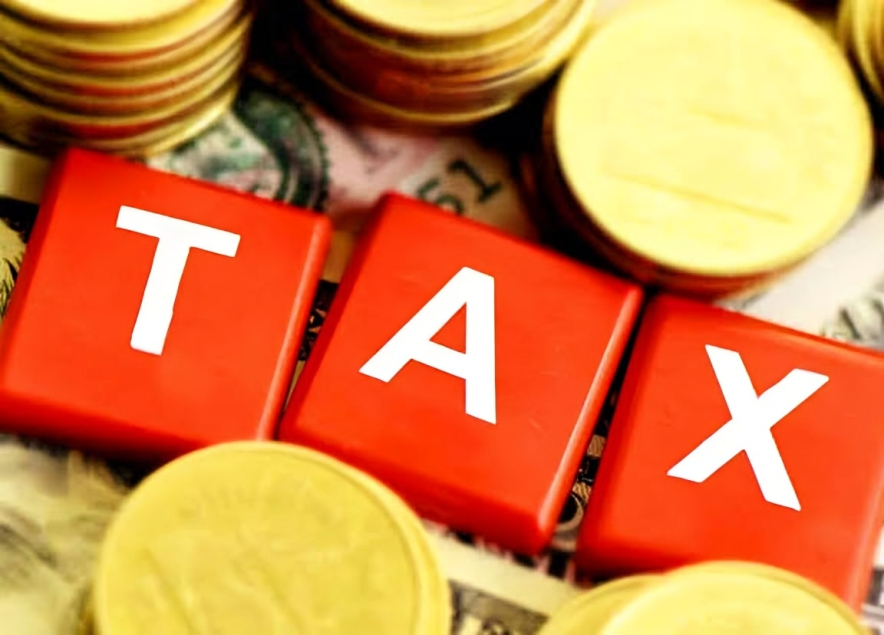
Nigeria has embarked on yet another grand fiscal experiment, this time under the banner of tax reform. President Bola Tinubu’s administration insists that a new tax regime will stabilise public finances, expand revenue and place the economy on a sustainable footing. Yet for a country where poverty stalks the streets with brutal familiarity, the central question is unavoidable: can a nation that is already poor be taxed into prosperity, or is this simply austerity by another name?
The government’s new tax framework, built around recently transmitted tax reform bills and executive directives, seeks to streamline tax administration, widen the tax net, reduce multiple taxation and boost non-oil revenue. Key elements include a proposed overhaul of tax administration, adjustments to value-added tax (VAT) collection and distribution, and the consolidation of revenue agencies to improve efficiency and compliance. On paper, it sounds technocratic, tidy and sensible. In practice, it risks colliding violently with social reality.
Nigeria’s tax-to-GDP ratio remains among the lowest globally, hovering in the single digits. This fact is often cited as justification for more aggressive tax collection. But such statistics conceal a deeper truth: most Nigerians earn too little to be meaningfully taxed without worsening their misery. When the majority struggle to feed, house and educate their families, expanding the tax net can quickly become an exercise in squeezing blood from stone.
The moral foundation of taxation is the social contract. Citizens consent to pay because they trust that the state will deploy those resources for collective benefit. That contract is already badly frayed. Roads are impassable, electricity unreliable, healthcare dilapidated and schools failing. Against this backdrop, what exactly is the state asking Nigerians to pay for—and why should they believe this time will be different?
The administration argues that efficiency and transparency will improve under the new laws. But trust is not legislated into existence. It is earned through consistent, visible honesty in governance. Nigerians have watched revenues rise in the past while living standards collapsed. They have seen taxes collected diligently while public officials flaunt obscene wealth. Without confronting this credibility gap, no tax reform can succeed.
There is also the uncomfortable question of timing. Inflation is punishing, wages are stagnant, and subsidy removal has already inflicted deep economic pain. Is this the moment to tighten the fiscal screw further? Or is the government mistaking fiscal neatness for economic wisdom, choosing balance sheets over human beings?
Supporters of the new tax laws speak of “broadening the base.” In reality, this often translates into greater pressure on small businesses, artisans and salary earners—those already visible and compliant—while the informal elite, rent-seekers and politically connected remain largely untouched. A tax system that hounds the weak while sparing the powerful is not reform; it is extortion with paperwork.
The administration insists that taxation will drive development. That claim only holds if taxes are clearly linked to productivity and growth. Prosperous nations did not tax their way to wealth by burdening the poor; they invested in people, infrastructure and enterprise, allowing prosperity to expand the tax base organically. Growth came first, taxes followed—not the other way around.
Small and medium-sized enterprises should be the engine of Nigeria’s recovery. Yet they are suffocated by levies, fees and regulatory harassment. Any tax law that does not explicitly protect and nurture these businesses is fundamentally flawed. When enterprise flourishes, jobs multiply, incomes rise and revenue grows naturally. Punitive taxation achieves the opposite.
More troubling are persistent reports and controversies surrounding the integrity of tax legislation and implementation. Allegations of disputed provisions, opaque processes and administrative overreach—whether proven or not—strike at the heart of legitimacy. How can citizens be compelled to comply enthusiastically with laws they barely understand, passed through processes they do not trust?
The rule of law matters in taxation more than anywhere else. Taxes extracted under a cloud of suspicion, confusion or perceived manipulation are not merely unpopular; they are destabilising. They weaken compliance, encourage evasion and deepen cynicism. A state that demands sacrifice must first demonstrate discipline, restraint and scrupulous legality.
There is little to celebrate in rising government revenue figures if citizens are sinking deeper into deprivation. Fiscal success measured solely by collections, while poverty spreads, is a hollow victory. Taxing poverty does not create wealth; it entrenches despair and fuels resentment.
The hard truth is this: Nigeria does not suffer from a shortage of taxes, but from a deficit of trust, honesty and productive leadership. Until governance visibly prioritises the common good over elite comfort, taxation will be seen not as a civic duty but as an imposition. No law, however elegantly drafted, can override that reality.
If this administration truly seeks reform, it must answer the hardest questions honestly. Who bears the burden? Who is protected? Where does the money go? And when will Nigerians see tangible returns on their enforced contributions? Until those answers are clear and credible, the question will persist—louder, angrier and more urgent: can Nigeria really tax its way out of poverty, or is it merely taxing the poor to sustain a broken system?