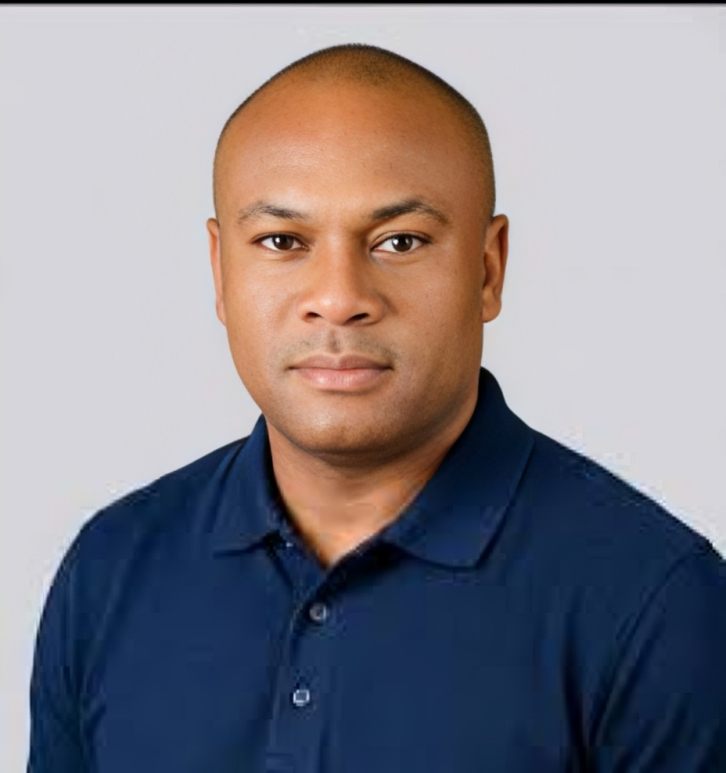
There is something quietly compelling about the political trajectory of Hon. MacDonald Ebere, PhD. In a climate where noise often substitutes for vision and theatrics masquerade as leadership, his rise has been disciplined, deliberate, and quietly assured. Like moonlight spreading gently across the skyline of Owerri Zone and Imo State, his influence has grown with unmistakable clarity.
Owerri Municipal, where Ebere hails from, has across generations produced rare species of key leaders—men of quality and exceptional character whose contributions remain etched in public memory: Nath Onyeukwu, Duke Njiribeako, Harding Osuji, Joseph Ahazie, Dan Njemanze, James Emenyonu, H.C.K. and T.C.K. Osuji, to mention a few, all of blessed memory. In Ebere, many see the continuation of that lineage: a son of the soil who understands that public office is not about applause but responsibility, not about noise but impact. His calm disposition reflects a leader mindful of history and conscious of the legacy he is shaping.
Ebere’s political language is defined by clarity, discipline, and measured boldness. He is articulate without grandstanding and firm without arrogance. A progressive in both thought and execution, he approaches leadership as a vehicle for transformation rather than the mere occupation of office. In his worldview, leadership must improve systems, strengthen institutions, and leave tangible value behind.
His tenure as chairman of Owerri Municipal Council years ago remains a reference point in grassroots governance. At a time when many councils drifted in administrative inertia, he introduced direction, order, and purposeful management. Projects were executed with clarity, and governance was driven by systems rather than slogans. His administration left behind visible structures and reforms that still echo the logic of purposeful leadership.
Another defining chapter in his public service came when he served as General Manager of the Imo State Environmental Transformation Agency (ENTRACO). In that role, he demonstrated uncommon administrative energy and effectiveness, surpassing previous benchmarks in maintaining environmental sanitation in Owerri. Under his watch, the city regained its lost reputation for order and cleanliness, reinforcing the idea that responsible leadership, when driven by commitment and structure, can produce visible change.
His stewardship of the All Progressives Congress (APC) in Imo State further revealed his political capacity. Leading a ruling party in a turbulent political environment requires strategy, patience, and resilience. Under his chairmanship, which ended recently, the APC in Imo consolidated its strength, maintained internal cohesion, and delivered decisive victories in critical elections. The party did not merely survive internal pressures; it emerged more structured and formidable.
Within the present administration, Ebere has also emerged as a major stabilizing force. His influence within the political architecture of the state has helped sustain cohesion and strategic direction. Much of this strength is drawn from his robust relationship with Governor Hope Uzodimma, who for a very long time identified MacDonald Ebere as a key asset in the evolving structure of governance in Imo State. Their political understanding has remained steady and resilient—often described by close observers as strong and unbroken, like a diamond whose brilliance lies in its durability.
In a political culture often defined by shifting allegiances, Ebere’s loyalty to Governor Uzodimma has remained consistent and principled. His loyalty reflects disciplined conviction and shared vision rather than mere proximity to power.
Beyond politics, Ebere’s humanitarian touch continues to resonate across communities in Owerri and beyond. His interventions are practical, personal, and often deliberately quiet. In an era where philanthropy is frequently staged for publicity, his approach remains understated, guided more by empathy than optics and by a sincere commitment to the upliftment of the most vulnerable in society.
Equally defining is his personal discipline and moral grounding. MacDonald Ebere is widely regarded as disciplined, rooted, and thoroughly baked for leadership. His personality reflects rare endowments of character—self-control, patience, humility, and a deep sense of responsibility. Some of us who know him closely know that he possesses a unique character forged through years of service and careful tutelage in leadership.
That moral grounding is also visible in his spiritual commitment. As Catechist at the Government House Chapel, Owerri, he has quietly but effectively helped nurture spiritual discipline within the Government House. Through counsel, guidance, and faith-based instruction, he has contributed to strengthening ethical values and moral reflection among those who serve within the seat of power.
In all these roles, MacDonald Ebere has demonstrated uncommon leadership—administratively, politically, morally, and socially. His record reveals a pattern of competence, steadiness, and responsibility that distinguishes him within the contemporary political landscape of Imo State.
As discussions about the future leadership of Imo State gradually gather momentum, Owerri Zone has once again entered the strategic conversation. Within that discourse, MacDonald Ebere stands out prominently. Disciplined, deeply rooted, and shaped by years of leadership tutelage, he represents a rare blend of capacity, character, and experience. Many now see him not merely as a political actor of the moment but as a man for tomorrow—fully capable and prepared to lead with vision, stability, and purpose if given the nod when the time arrives.