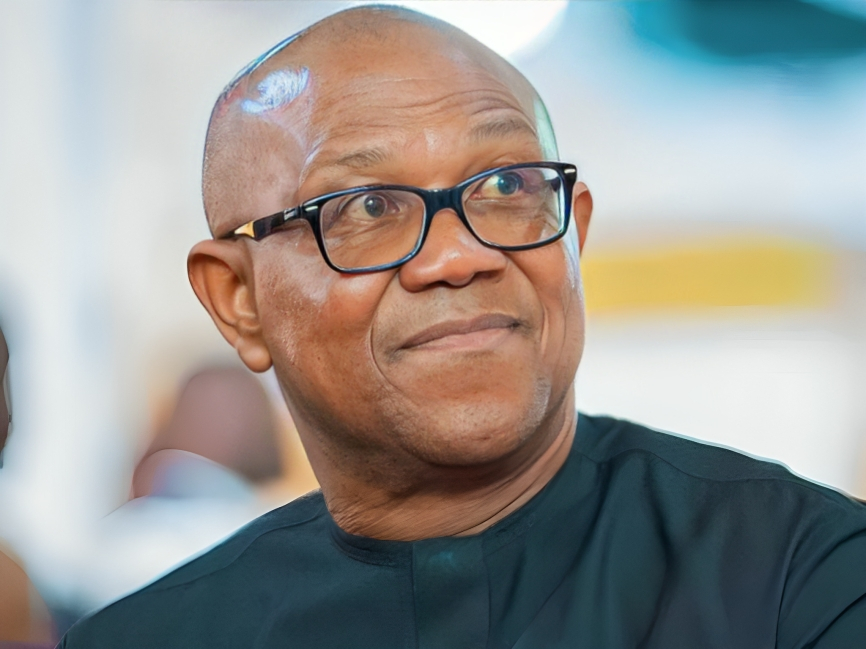
Peter Obi, a chieftain of the African Democratic Congress (ADC) and presidential candidate in the 2023 election, has raised concerns over the Federal Government’s reported approval of ₦3.3 trillion as a “full and final” settlement of debts in Nigeria’s power sector.
In a statement on Tuesday, Obi said the development calls for “sincere reflection without sentiment,” noting that similar approvals had been made in the recent past without clear evidence of execution or impact.
He recalled that on May 17, 2024, the Federal Government approved ₦3.3 trillion for the same purpose, followed by another ₦4 trillion bond approval on July 25, 2024, also aimed at settling power sector liabilities.
According to him, there have been additional approvals in between, all targeted at addressing the same category of debts, raising questions about the effectiveness of such fiscal interventions.
Obi queried whether previous approvals were mere announcements, given the apparent lack of measurable progress in electricity supply across the country.
He referenced campaign promises made by President Bola Ahmed Tinubu in 2023, particularly the pledge that Nigerians should not re-elect him if he failed to deliver stable electricity.
The former Anambra governor said the current reality suggests a deterioration in power supply, pointing to reports of possible disconnection of the Presidential Villa from the national grid.
Obi further stated that each time concerns are raised about the sector, government responses appear to be policy pronouncements rather than tangible improvements in service delivery.
He noted that the debts in question were largely accumulated under successive administrations of the All Progressives Congress (APC) between 2015 and 2025, stressing that this raises serious issues around accountability and transparency in public finance management.
The ADC chieftain also observed that government institutions, including the Presidential Villa, account for a significant portion of the debts, despite annual budgetary provisions for such obligations.
Obi questioned why these liabilities were not settled when due and asked whether the latest approval would be funded through fresh borrowing, warning against what he described as a cycle of servicing inefficiencies with public funds.
He listed critical unanswered questions, including how the debts were accumulated, the actual size of the total power sector debt, and the extent to which inefficiencies by operators contributed to the liabilities.
He also demanded clarity on the real beneficiaries of the repeated payments and whether the ₦3.3 trillion approved on April 6, 2026, is distinct from or related to previous approvals made in 2024.
Obi urged the government to move beyond what he described as “recycled announcements” and adopt transparent, accountable, and decisive reforms to address Nigeria’s persistent power crisis.
He warned that without such measures, the country risks remaining trapped in a cycle of mounting debt and inadequate electricity supply, adding that disciplined leadership remains key to achieving lasting solutions.