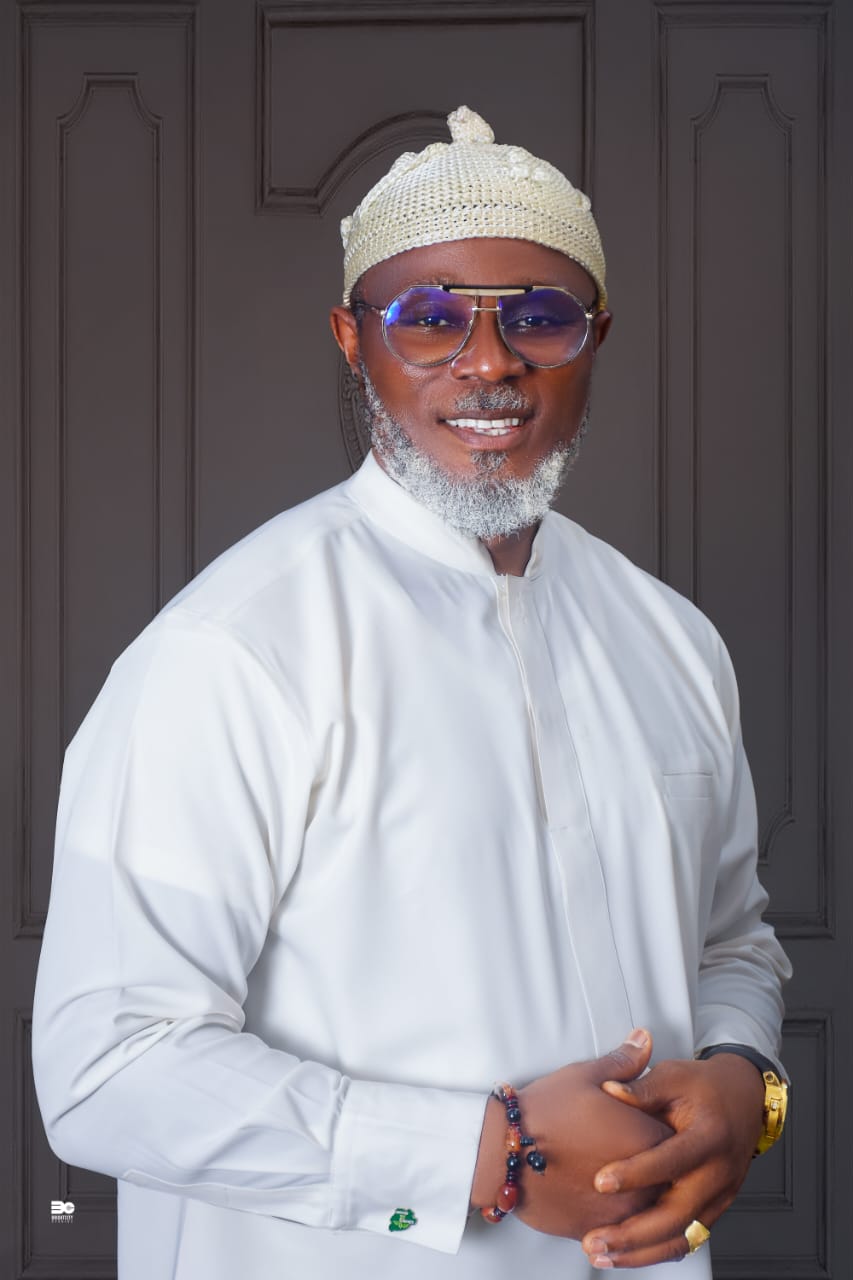
Hon (Dr.) Ugochukwu Nzekwe stands today at the centre of a remarkable renaissance—one that has reshaped an institution many had written off as a relic of its golden past. As President General of Orluzurumee, he inherited more than a fractured organization; he took charge of a wounded soul, a once-formidable socio-political group whose voice once echoed with the force of a parliament. What he met was rubble. What he has rebuilt is a fortress.
His selection as President General of Orluzurumee followed a rigorous, even unforgiving, process—a scrutiny that tested competence, character, and capacity. The organization, modeled in spirit and significance after Ohanaeze Ndigbo and comparable to Afenifere in Yoruba land, needed more than a leader. It needed a compass. And in Nzekwe, it found its missing north.
Before his emergence, Orluzurumee had splintered into disjointed factions, each loyal to personalities rather than purpose. Groups led by Chime Nzeribe, Emeka Diwe, Ruben Okoro, and others pulled the organization in competing directions until its once commanding influence collapsed under the weight of rival ambitions. What had been the dominant socio-political force in Orlu zone became a shadow of itself, reduced to whispers where it once thundered.
Nzekwe’s genius was not in issuing orders but in offering clarity. He began by listening—truly listening—to every faction, every grievance, every claim of injury. His approach was surgical: understanding where the wounds lay, where pride had been bruised, and where old scores had been left unsettled. His reconciliation blueprint was not a patchwork of compromises; it was a re-imagining of what unity should mean.
Today, all factions speak under one banner again. The silos have dissolved. The bitterness that once crippled the association has given way to a renewed sense of collective identity. Orluzurumee’s voice—long muted—has returned with a resonance reminiscent of its most influential years. In Nzekwe’s hands, discord has been refashioned into a single, formidable front.
But the revival did not stop at political relevance. Nzekwe understood that an organization with such deep cultural roots could not thrive on politics alone. He redirected attention toward cultural rearmament—rekindling pride in heritage, language, customs, and the age-old values that form the bedrock of Orlu identity. Under his watch, the people of Orlu zone have begun a quiet rediscovery of themselves.
His administration has expanded Orluzurumee’s reach, not merely as a political force but as a cultural powerhouse. Programmes championing communal history, youth inclusion, traditional values are springing up with renewed vigor. The organization is no longer just an arbiter of political influence but a guardian of memory, a shepherd of cultural continuity, and an architect of future identity.
This rebirth, this return to relevance, is why Prince (Dr.) Ugochukwu Nzekwe finds himself being inducted into the INNONEWS Hall of Champions—a recognition not for noise, but for leadership that works from the roots upward. His style is devoid of the drama of political theatrics. Instead, it is defined by diligence, calm resolve, and a relentless commitment to rebuilding what many assumed was irretrievably broken.
The unity of Orluzurumee is not an abstract accomplishment; it is a legacy with lasting implications for the political and cultural trajectory of Orlu zone. In the South East—where identity, voice, and representation matter—such restoration is nothing short of transformative.
And so, beneath the intentionally understated headline lies the real story: that of a leader who defied fragmentation with vision, restored strength through consensus, and turned a fractured house into a hall—solid, united, and ready for the future. Prince (Dr.) Ugochukwu Nzekwe didn’t merely revive Orluzurumee. He reinvented its soul.
“Nzekwe’s genius was not in issuing orders but in offering clarity. He began by listening—truly listening—to every faction, every grievance, every claim of injury. His approach was surgical: understanding where the wounds lay, where pride had been bruised, and where old scores had been left unsettled. His reconciliation blueprint was not a patchwork of compromises; it was a re-imagining of what unity should mean“