*Mobilises Voters Against Election Manipulation
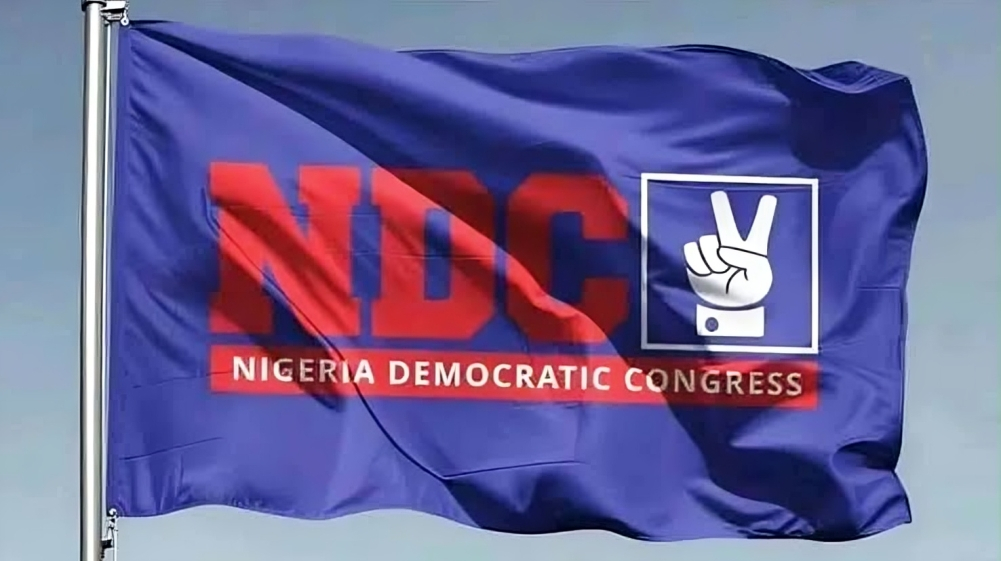
The Nigeria Democratic Congress (NDC) has begun building a National Anti-Rigging Squad (NARS) across the country ahead of the 2027 general elections, with the emerging structure already moving into voter sensitisation against electoral manipulation. Evidence of the mobilisation includes NARS appointment activity dating to July 2026, while the Imo State chapter has taken the campaign to social media, urging Nigerians to regard their votes as a fundamental right and resist attempts to stop them from voting.
The full composition and operational details of NARS remain unclear, but materials associated with the squad describe it as an arm of the NDC created to monitor the electoral process.
In its latest message signed by its Imo State Director of Communications and Media, Joseph C. Ibewuike, PhD, the squad urged voters to “vote wisely and vote for a better Nigeria,” while warning citizens against allowing anyone to prevent them from exercising their franchise. The campaign suggests that the party is seeking to make voter vigilance a central part of its preparations for 2027.
The move comes against a troubling history of disputed elections in Nigeria. The 2007 general election was condemned by European Union observers, who cited serious organisational failures, lack of transparency, voter disenfranchisement, violence and significant evidence of fraud. The 2019 election also recorded severe operational and transparency shortcomings, alongside electoral-security problems, according to the EU Election Observation Mission.
The 2023 elections were expected to mark a technological break from the past through the deployment of BVAS and the IReV results portal, but the process still generated widespread controversy. Observers and opposition parties raised concerns over delayed result uploads, voter intimidation, violence and alleged manipulation, while the EU said operational failures and shortcomings in transparency undermined confidence in the process.
With NARS now emerging as part of NDC’s preparations for 2027, the party appears to be positioning the protection of votes as an organising issue well before election day. The initiative also signals the growing importance of grassroots monitoring in an electoral environment where the credibility of results is often contested at polling units, during collation and after declaration.