The Anambra State House of Assembly has enacted the Anambra State Local Government Administration Bill, 2024, despite resistance from Labour Party lawmakers representing the state in the National Assembly.
This legislation, which critics argue undermines recent Supreme Court rulings on local government financial autonomy, was passed during a plenary session held in Awka, the state capital.
The law has drawn sharp criticism for its apparent intent to circumvent the Supreme Court’s decision issued on July 11, 2024, which mandated that funds allocated to Nigeria’s 774 local government areas be deposited directly into their accounts rather than through state-controlled joint accounts.
The landmark ruling, presided over by Justice Emmanuel Agim, was seen as a crucial victory for local government financial independence.
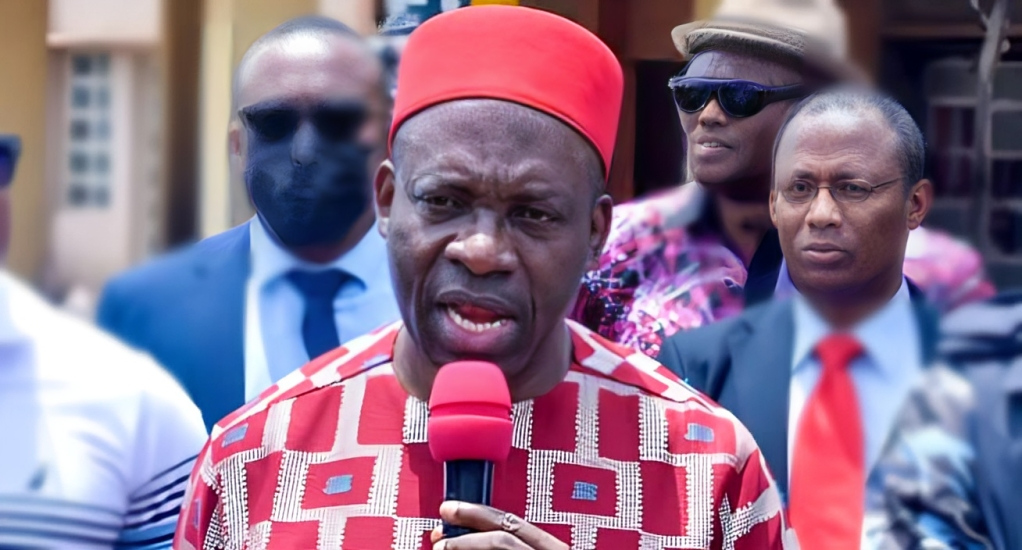
Opponents, including prominent figures like Senator Tony Nwoye and House of Representatives members, George Ozodinobi, Afam Ogene, Idu Emeka, and Anekwe Peter, accuse Governor Chukwuma Soludo of orchestrating a systematic effort to financially weaken the 21 local government areas in Anambra State.
They expressed grave concerns that the state government is attempting to revert to an era characterized by fiscal irresponsibility and disregard for local governance autonomy.
Specifically, Section 13(1) of the newly passed law establishes a “State Joint Local Government Account” into which all federal allocations for local governments will be deposited. Furthermore, Section 13(2) gives the state government the authority to distribute these funds, a move that has been described as directly contravening the Supreme Court’s directive against state interference with local government finances.
In a statement, the Labour Party lawmakers emphasized that the state’s actions could hinder the operational efficacy of local governments, stating, “We are seriously worried that the Anambra State Government wants to take our dear state back to the era of impunity, especially where the House of Assembly seems to be complicit in this show of ignominy.”
Despite this opposition, the bill was passed after the Joint House Committee on Local Government, Chieftaincy, and Community Affairs presented its report.
Speaker Somtochukwu Udeze defended the legislation, claiming it clarifies the roles and responsibilities of local government officials, including chairmen and councillors. He highlighted essential sectors such as primary education, healthcare, and local government services, asserting that a collaborative approach between state and local entities is vital for effective governance.
Supporters of the bill, including House Committee Chairman Patrick Udoba and Ogbaru Constituency 1 member Noble Igwe, contend that the law will enhance local government functionality. They argued that local governance cannot be wholly independent from state oversight, asserting that a joint responsibility is necessary for successful administration.
Meanwhile, in a related development, the Nigerian Senate has unanimously approved two motions sponsored by Senator Nwoye aimed at preventing state governors from enacting laws that would allow the deduction of funds intended for local governments.
This resolution mandates all local government chairmen across Nigeria to adhere to the Supreme Court’s ruling regarding their financial autonomy, further complicating the situation for the Anambra state government.