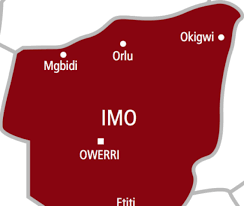
In Imo today, politics is no longer a contest of ideas but a noisy marketplace of ambition. The early drumbeats for 2027 are already sounding, and the noise is loud enough to drown the cries of a hungry people. Politicians sharpen their weapons, trade insults, and rehearse their victory dances, while the common man counts empty plates at home.
The scramble for Douglas House is like a wrestling match staged in a compound on fire. The roof crackles, the flames leap, but the wrestlers are too busy grabbing each other’s wrappers to notice that the house itself is collapsing. Power, in their minds, is a steaming pot of yam porridge; whoever dips his hand first believes he will eat his fill, even if the pot itself burns to ashes.
The camps are already marked out. On one side, Mazi Chima Amadi and his loyalists, determined to cast him as the next saviour of Imo. On the other, the State government and its Greater Imo Initiative foot soldiers, eager to paint him as a fraud and pretender. Between both groups lies a political battlefield drenched in propaganda smoke.
What began as whispers has now become a daily ritual of accusations and counter-accusations. One side claims Amadi is buying sympathy with philanthropy, the other insists the government has reduced itself to a propaganda factory. Each morning in Owerri begins not with the sound of church bells or morning cocks, but with political gunfire fired through press statements and social media.
The Charter of Equity, once hailed as a healing balm for the state, has now turned into a cracked calabash spilling only confusion. Orlu insists on its kingmaker’s crown, Okigwe demands its overdue chance, and Owerri — long the weeping child of Imo politics — laments that even its brief taste of power with Ihedioha was snatched away before sunrise. Three zones quarrel over a pie already eaten.
Meanwhile, Chima Amadi walks about with the air of a man auditioning for greatness. His admirers hail him as a philanthropist who pays hospital bills and doles out cash. His critics see something else — a man rehearsing with borrowed applause, polishing his image before Imolites. To them, a cock that cannot crow in its compound should not boast of waking the entire village.
But the government is not innocent either. It spends more time trading barbs with Amadi than fixing the leaking roofs of governance. Its surrogates under the banner of the Greater Imo Initiative, GII have become experts in insults, dishing out counterpunches daily, as though governance were a prizefight. In this theatre, truth is twisted like akara balls, fried hot and served to the public as propaganda.
And the people? Poor, long-suffering Imo people! They sit under the iroko tree watching the masquerades fight, clapping for one thief today and another tomorrow, forgetting both are carved from the same rotten wood. Schools collapse, hospitals wheeze, and roads bleed dust, but the people are told to wait. In 2027, they are promised, paradise will descend. Until then, they must feed on their tears.
The ambition of some politicians in the state which are on display is not inherently bad. Ambition becomes poison when it is selfish — when it sees government not as a trust to serve, but as a treasury to plunder. Our politicians chant “equity” by day, but in their hearts equity means: “It is my turn to eat the meat while others gnaw at the bones.”
The stage is set, the actors rehearsed, the orchestra tuning its instruments. Soon they will shout, fight, and throw sand in each other’s eyes. But in the end, what will they inherit? A broken state, coffers drained, people weary, and hope suffocated. They will dance upon ruins and call it victory.
Achebe warned that when the house is on fire, one does not chase rats. But in Imo, the house burns while politicians chase not only rats but each other’s shadows. Perhaps one day they will realise that no crown can sit firmly on a kingdom of ashes.
For now, Imo waits — bruised, mocked, abandoned — while her sons quarrel over who will inherit her carcass in 2027. The drumbeats are loud, the dance feverish, but the people’s plates remain empty.