Nigeria returned from Morocco with a bronze medal, but medals, as history repeatedly teaches, can be deceptive. Third place flatters the Super Eagles without telling the full story. The real significance of Nigeria’s AFCON campaign lies not in the podium finish but in the uneasy paradox it exposed. A team that finally discovered its footballing identity still fell victim to the old Nigerian affliction of structural fragility and external manipulation at decisive moments.
For once, Nigeria did not look like a collection of gifted freelancers stitched together by hope and nostalgia. Under Eric Chelle, the Super Eagles played with coherence, tactical discipline and emotional maturity. They pressed in units, circulated the ball with purpose and attacked with a logic that suggested rehearsal rather than improvisation. This was not Nigerian football as spectacle alone; it was Nigerian football as a system.
Statistics reinforce what the eye already knew. Nigeria won five matches and drew two, exiting the tournament without losing a single game in regulation time. In a competition infamous for volatility, such consistency is not accidental. It is evidence of method, of structure, of a coach imposing an idea and players buying into it. That alone marks a quiet revolution.
Chelle is not beyond criticism. No serious football thinker should canonise him prematurely. Tactical blind spots remain, substitutions can be sharper, and squad depth must be better managed. But Nigeria’s self-destructive habit of dismantling functional projects at the first sign of imperfection would be catastrophic here. Chelle has earned continuity. Anything less than two to four years in his contract would signal that Nigeria still prefers chaos to coherence.
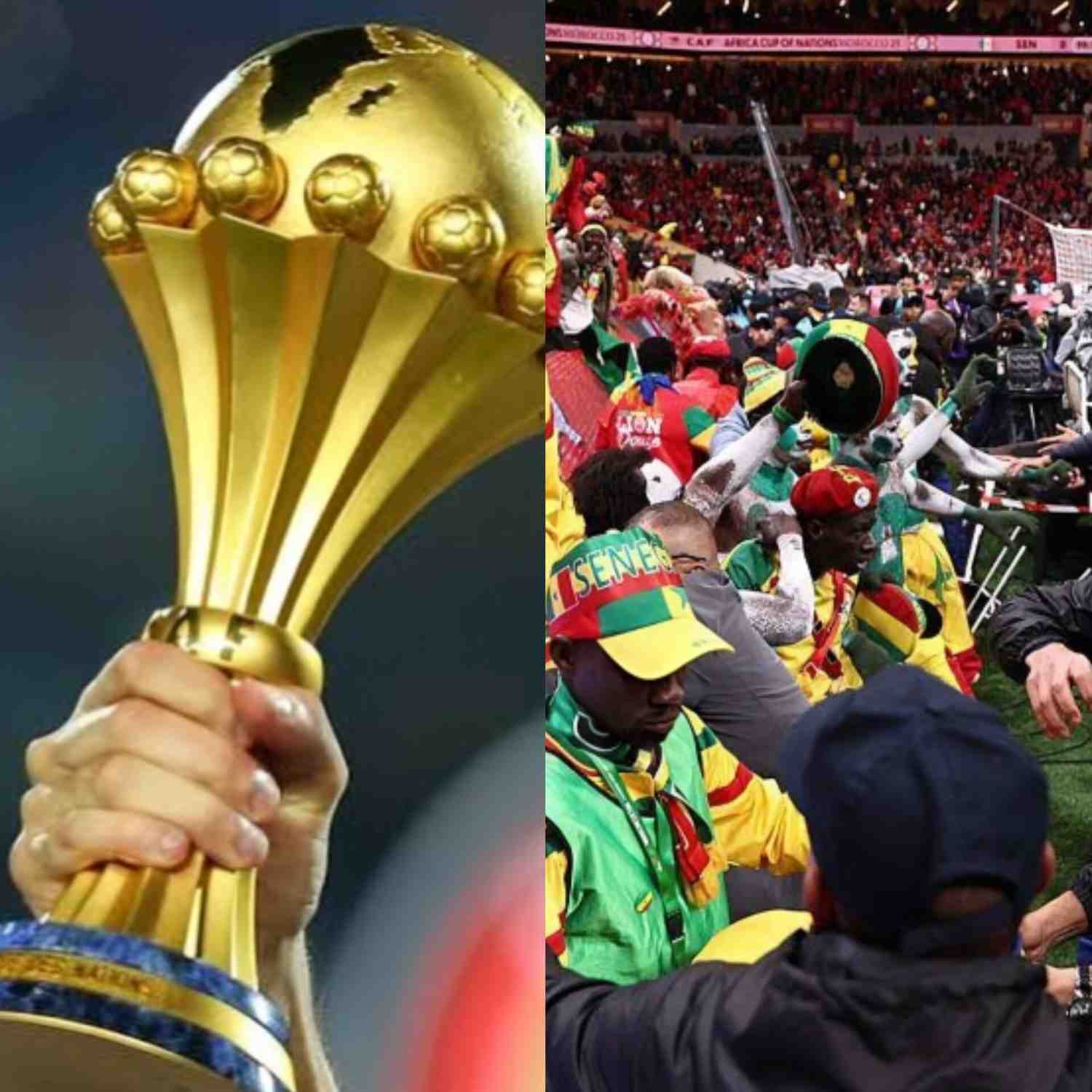
While Nigeria was busy rebuilding its footballing soul, the AFCON final revealed the competition’s institutional rot. The Morocco–Senegal showdown was less a celebration of African excellence than an exhibition of administrative failure. The disputed disallowance of a Senegalese goal, followed almost immediately by a penalty awarded to Morocco, detonated simmering tensions. Senegal’s brief walk-off was not just protest; it was an indictment.
Coach Papa Thiaw’s decision to withdraw his players plunged the final into disorder, while the stands mirrored the pitch in anger and confusion. It took the moral authority of Sadio Mané to restore calm and salvage the spectacle. FIFA president Gianni Infantino’s condemnation of the chaos was swift, but condemnation without introspection rings hollow.
The Senegalese eruption did not emerge from nowhere. Long before the final, refereeing decisions in Morocco’s favour had become a pattern rather than coincidence. Cameroon and Nigeria both encountered officiating that appeared less neutral than convenient. Across the continent, a quiet but persistent suspicion grew; that AFCON 2025 was being nudged toward a home victory for Morroco, whether through design or dereliction.
Perception, in tournaments of this magnitude, is as corrosive as proof. When neutral observers begin to predict outcomes based on refereeing trends rather than tactics, credibility has already been compromised. Senegal, having watched others absorb injustice in silence, chose resistance over resignation. Their defiance, however messy, disrupted the script. When they eventually lifted the trophy, it felt less like triumph and more like survival.
CAF must treat this tournament as a warning, not an inconvenience. Officiating standards require urgent, transparent review. African football cannot afford to normalise suspicion as part of its competitive texture. A tournament built on bias, real or perceived, is one scandal away from irrelevance.
Nigeria, for its part, should draw sober lessons. Identity is not optional. Structure is not cosmetic. And courage is required not only to play well, but to insist on fairness. Chelle has given Nigeria a framework. CAF must give Africa integrity. Without the latter , AFCON risks degenerating into exactly what it too often resembles: not a championship of nations, but a dangerous play in the jungle.