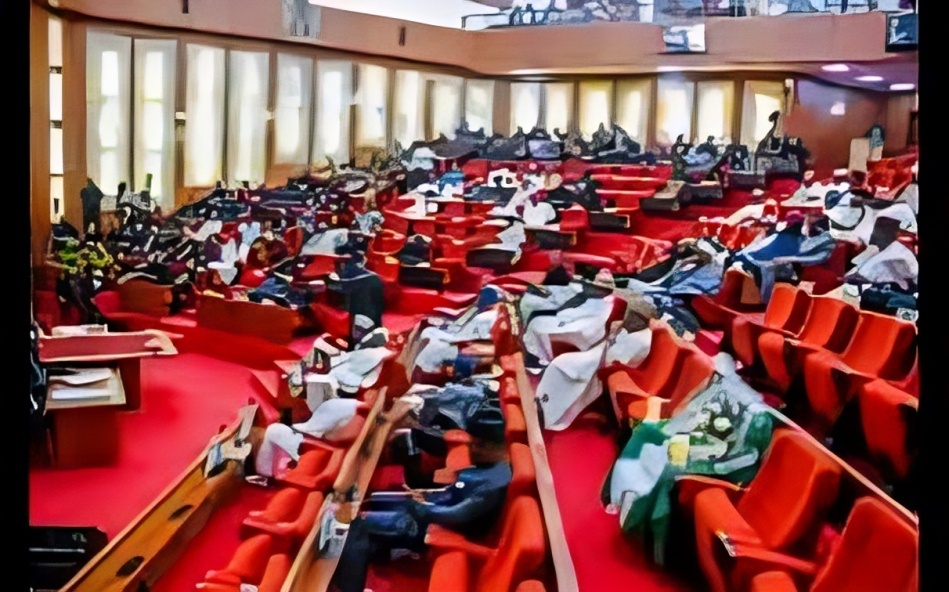
The Nigerian Senate’s rejection of real-time electronic transmission of election results is not merely a policy choice; it is a brazen declaration of contempt for democracy. It is a deliberate retreat into the dark ages, a calculated sabotage of electoral transparency, and a loud signal that those who profit from opacity intend to preserve it at all costs. In one vote, the Senate chose fear over progress, manipulation over the people’s will, and power over democratic integrity.
Let us dispense with euphemisms. This decision is backward, cynical, and profoundly anti-democratic. At a time when credible elections depend on speed, verifiability, and public trust, the Senate opted for delay, discretion, and doubt. Real-time electronic transmission is not a luxury or an experiment; it is the minimum standard for any democracy that claims seriousness. Rejecting it is an admission of bad faith.
The excuse that Nigeria is “not ready” for technology is a lazy alibi. Nigerians conduct banking transactions electronically, file documents online, communicate instantly, and run businesses digitally. INEC already deploys technology for voter accreditation and election logistics. To argue that results cannot be transmitted electronically—after votes are cast using the same technological ecosystem—is not prudence; it is deception.
The 2023 general elections exposed this duplicity in brutal clarity. Nigerians were fed the now-infamous story of “glitches,” selectively deployed and conveniently timed. Presidential results suffered mysterious technical failures, while Senate and House of Representatives results—cast at the same polling units, on the same day, using the same devices—flowed without hindrance. That was no accident. It was a controlled malfunction, a selective collapse engineered to manipulate outcomes.
By rejecting real-time transmission today, the Senate is perfecting tomorrow’s fraud. This is not an isolated decision; it is a strategic move aimed squarely at the 2027 general elections. Delay creates room for interference. Opacity creates space for coercion. Manual collation opens the door to rewriting the people’s mandate. Every hour results are withheld is an invitation to rigging, bargaining, and electoral vandalism.
Democracies do not fear sunlight; only fraud does. Real-time electronic transmission collapses the window for manipulation, locks in voter intent at the polling-unit level, and subjects the process to immediate public scrutiny. That is precisely why it is being resisted. Those who thrive on backroom arithmetic and midnight alterations cannot survive transparency, so they legislate against it.
Across the world, electoral systems are becoming faster, more transparent, and more auditable through technology. Democracies are strengthening safeguards against manipulation, not dismantling them. Nigeria, tragically, is moving in the opposite direction—normalising excuses, institutionalising distrust, and retreating into electoral primitivism while the world advances.
This decision is also an insult to the intelligence of Nigerians. It assumes a population that will forget, forgive, and move on after each compromised election. But Nigerians remember. They remember the promises of transparency, the assurances of readiness, and the betrayals that followed. Trust, once broken, cannot be restored by rhetoric; it is rebuilt only by systems that work and laws that protect the vote.
What is unfolding is nothing short of the slow murder of Nigerian democracy—methodical, calculated, and premeditated. When lawmakers sabotage electoral credibility, they delegitimise governance itself. Power derived from disputed elections is inherently unstable, and authority built on rigging carries the seeds of its own collapse.
The irony is obscene: a Senate produced by controversial electoral processes now erecting legal barriers against reforms that would make future elections credible. This is institutional self-preservation disguised as legislative caution. Democracy cannot be regulated by those who fear losing power through honest competition.
Nigeria stands at a dangerous crossroads. One path leads to transparent, technology-driven elections that reflect the will of the people and stabilise the republic. The other leads to ritualised fraud, endless litigation, public anger, and deepening alienation between the state and the citizenry. The Senate has chosen regression—and history will record it as such.
Nigerians must call this decision by its real name: a coordinated attempt to rig the future. Civil society, the media, the judiciary, and the electorate must resist this democratic backsliding with vigilance and pressure. Democracy is not preserved by silence. If real-time electronic transmission is killed today, the credibility of 2027 is buried with it—and a nation that buries its votes is digging its own grave.