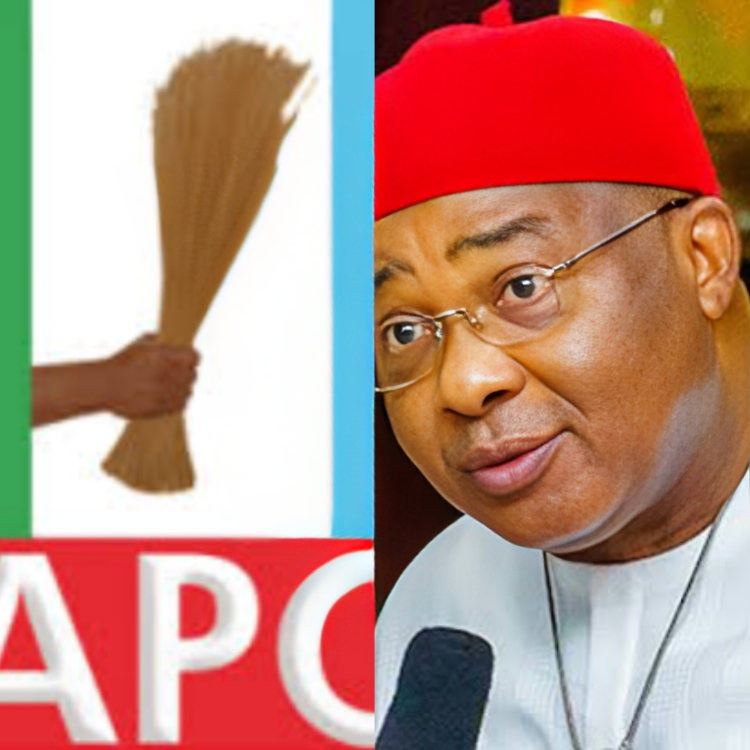
With the conclusion of congresses and the national convention of the All Progressives Congress (APC), political attention in Imo State has firmly shifted to the party primaries expected to hold in April, barring any last-minute changes.
The primaries are seen as a defining moment in the party’s political calendar ahead of the January 2027 general elections, but the build-up has so far been marked by an unusual calm across party ranks.
Strong indications suggest that the consensus method may be adopted in selecting candidates, a strategy that has increasingly become fashionable among political parties, including opposition parties.
In Imo, this expectation has significantly altered the tempo of political activities, with many aspirants choosing to remain on the sidelines rather than engage in open campaigns that may ultimately prove unnecessary.
Unlike in previous election seasons when aspirants aggressively jostled for attention, the current atmosphere is markedly subdued, reflecting a cautious political environment shaped by anticipated backroom negotiations.
Historically, aspirants in the state would dominate the landscape with posters, billboards and media campaigns, while also embarking on widespread consultations with party delegates, hosting strategy meetings, and forging alliances to boost their chances at the primaries.
Such visible mobilization is largely absent at the moment, as most political actors appear to be conserving resources and awaiting clearer signals from the party hierarchy.
At the time of filing this report, there is little or no public visibility of aspirants for key offices, though party insiders hint that activities may pick up once the APC officially announces the cost of nomination forms.
This comes on the heels of a fake nomination fee template that circulated last week, which the party national leadership swiftly disowned, urging members to disregard the document.
Governor Hope Uzodimma is widely expected to play a central role in determining outcomes should the consensus option be adopted, consistent with a pattern observed since he assumed office, where candidate selection has largely aligned with his political direction.
Meanwhile, barely weeks to the primaries, no member of the state executive council or top government official has formally resigned to signal interest in any elective office, leaving uncertainty over whether serving appointees will join the race as the process unfolds.