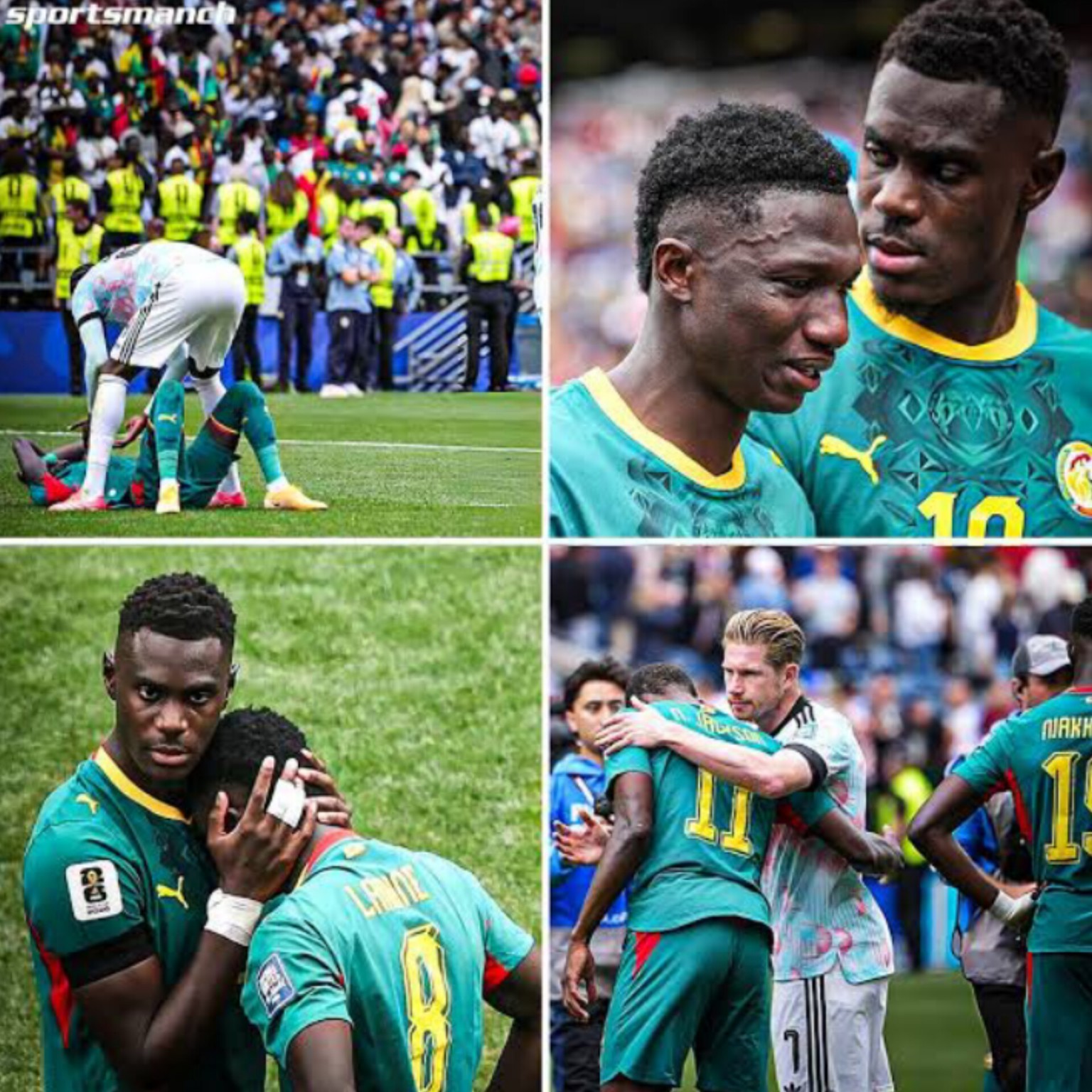
The identical manner in which three African teams have exited the ongoing 2026 FIFA World Cup has triggered growing concern among football analysts, with questions being raised over the continent’s technical depth and game management at the highest level.
The latest casualty was Senegal, which squandered a two-goal advantage to lose 3-2 to Belgium after extra time in a dramatic Round of 32 encounter. The defeat came after Belgium staged a remarkable comeback to eliminate the African side from the tournament.
Senegal’s collapse mirrored the fortunes of Côte d’Ivoire, which had taken the lead against Norway before conceding two late goals to suffer a 2-1 defeat. DR Congo also endured a similar fate after opening the scoring against England but eventually lost 2-1 following two second-half goals scored by Harry Kane.
The recurring pattern has fuelled debate over why African teams struggle to protect leads against elite opposition, with analysts pointing to tactical discipline, substitutions, mental resilience and match management as critical areas requiring improvement.
While DR Congo is handled by a foreign coach, both Senegal and Côte d’Ivoire are managed by indigenous coaches, a development that has further intensified discussions over whether African teams possess the technical capacity to navigate high-pressure matches at the World Cup.
Speaking to INNONEWS in Owerri shortly after Senegal’s shock elimination, Owerri-based football analyst, Oscar Uche described the trend as alarming, saying the continent’s representatives were paying the price for poor game management.
According to Uche, the defeats followed an identical pattern, with African teams failing to respond effectively after taking the lead and allowing their opponents to dictate the closing stages of matches.
“There is a clear pattern in these defeats. It is not about talent because African teams have shown they can compete. The problem is game management, tactical adjustments and maintaining concentration under pressure. These are areas where our teams continue to fall short,” Uche said.
He urged African football authorities to invest more in coaching education, tactical development and football psychology, warning that unless the underlying weaknesses are addressed, the continent’s teams may continue to suffer painful exits despite possessing the quality to compete with the world’s best.