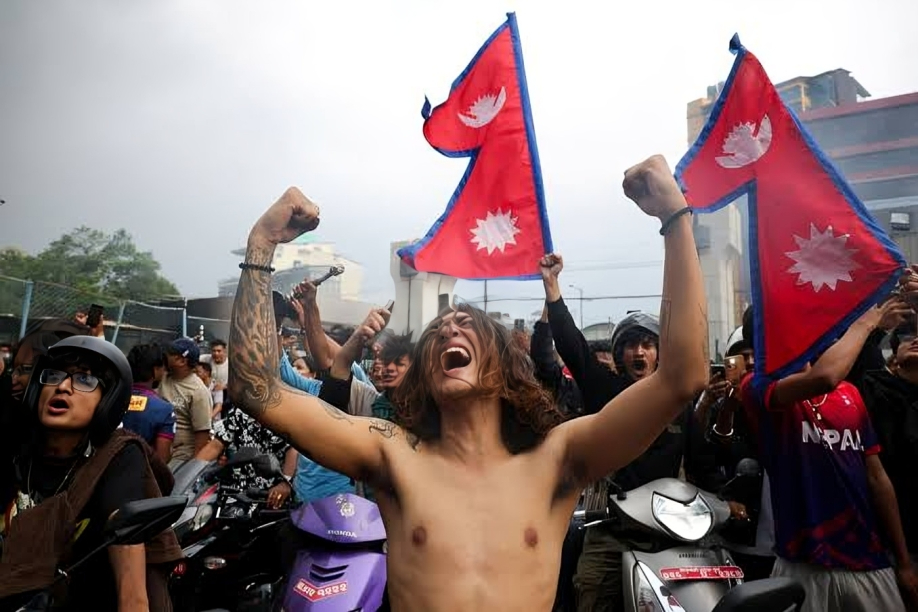
Events in faraway Nepal should ring loud alarm bells in Nigeria. The youth-driven protests that erupted after the government’s reckless ban on social media platforms may have started as a digital freedom issue, but they quickly snowballed into a full-blown rejection of corruption, nepotism, and bad governance.
What began with anger over Facebook, YouTube, and X being blocked ended with citizens torching government buildings and a sitting Prime Minister pushed out of office. That is not just politics—it is revolution fuelled by frustration.
Nigeria must pay attention. The warning from Nepal is simple. You cannot take the people for granted forever. A government that ignores hunger, insecurity, and poverty while suffocating freedom of expression is playing with fire.
Our leaders love to believe Nigerians are docile, that citizens can endure endless hardship and misrule. But history shows that silence is never permanent. When the people eventually snap, no army, police, or propaganda can hold them back.
Today, Nigeria is sitting on a keg of gunpowder.The level of hunger in the land is frightening. Food prices are skyrocketing daily. A bag of rice is now priced beyond the reach of ordinary Nigerians. The naira is in free fall, salaries are stagnant, and insecurity has turned vast farmlands into killing fields. Kidnappers and bandits hold sway across states, while governors behave as though they are emperors accountable to nobody but themselves.
Yes, Bola Ahmed Tinubu is the President, and leadership begins with him. But he cannot and should not carry all the blame alone. State governors, who have seen their monthly allocations soar since the removal of fuel subsidy, have failed woefully to translate that windfall into tangible relief for their people. Where is the money going? Why are some states still drowning in unpaid salaries, abandoned projects, and decayed infrastructure despite earning far more than before? These are questions that must be answered.
In Nepal, the protests were ignited by social media restrictions, but the anger had been simmering for years over corruption, joblessness, and poor governance.
Nigerians face an even deeper crisis. Here, citizens are being crushed by a deadly combination of hunger, unemployment, inflation, and insecurity. When hardship collides with hopelessness, any spark—whether fuel price, electricity tariff, or internet censorship—can ignite an inferno no leader can control.
The lesson from Nepal is that governments must not push their citizens to the wall. Nigerians are hungry, angry, and increasingly aware of their power, thanks to social media. If leaders imagine that protests like #EndSARS cannot return, they are mistaken. The youths who shook this country in 2020 are still here, now angrier, hungrier, and more disillusioned. And this time, they will not stop at Lekki Tollgate.
It is time for Nigerian leaders to wake up. Governance is not about photo ops, propaganda jingles, or empty promises. It is about putting food on the table, keeping citizens safe, creating jobs, and building hope.
Every day, ordinary Nigerians are forced into humiliating survival battles—selling belongings, skipping meals, trekking to work—while their leaders flaunt obscene wealth. This widening gulf between rulers and the ruled is a time bomb.
Tinubu must call governors to order. The Federal Government cannot keep pumping money to states while their people starve. Accountability must not be optional. If governors fail to deliver, the federal government must use every constitutional mechanism to compel transparency. And Nigerians themselves must stop tolerating mediocrity from their state governors. A hungry man does not care whether his suffering is caused by Abuja or by his governor—he just wants relief.
Nepal teaches us that anger, once ignited, does not respect hierarchy. A small protest can unravel the entire system if leaders remain arrogant. Nigeria does not need another bloody confrontation between citizens and security forces. But that is probably where we are headed if those in power refuse to act decisively against hunger, corruption, and insecurity.
The writing is on the wall. The question is whether Nigeria’s leaders will read it—or whether they will keep dancing on the volcano until it erupts. Nepal is a lesson, but it can also be a mirror. We should look closely.
“Yes, Bola Ahmed Tinubu is the President, and leadership begins with him. But he cannot and should not carry all the blame alone. State governors, who have seen their monthly allocations soar since the removal of fuel subsidy, have failed woefully to translate that windfall into tangible relief for their people. Where is the money going? Why are some states still drowning in unpaid salaries, abandoned projects, and decayed infrastructure despite earning far more than before? These are questions that must be answered.”