The Confederation of African Football (CAF) has plunged a dagger into the heart of sporting integrity. By stripping Senegal of their earned AFCON title and handing it to Morocco, CAF has chosen boardroom politics over on-field glory. This act is not a mere ruling; it is a declaration that the beautiful game is for sale, traded for backroom deals and political convenience. A trophy won in the heat of battle has been stolen by a legal technicality, a disgrace to fans who believe in fair play.
The justification for this farce is a grotesque misapplication of Article 82, which addresses match abandonment. CAF’s claim that Senegal’s brief, referee-sanctioned protest constituted a forfeiture is a transparent lie. The team returned, the game concluded, and a winner was decided. To retroactively award Morocco a 3-0 victory is a distortion of the rules, setting a dangerous precedent where results are decided by committees, not by athletes.
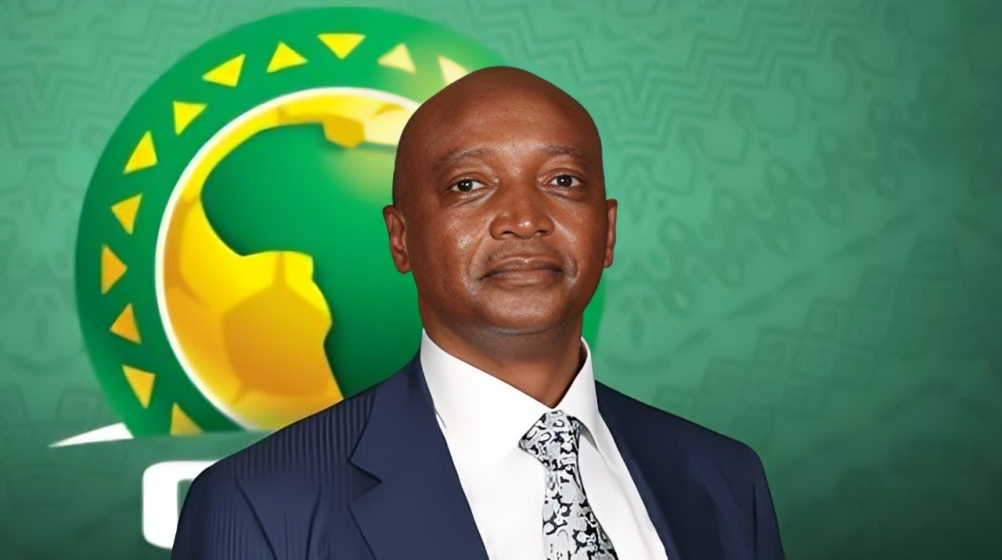
The final itself was the climax of a tournament tainted by suspicion. Senegal’s protest was a desperate cry against the blatant officiating bias that has defined the Patrice Motsepe era. From the first whistle, it was clear that Morocco was the “favoured nation.” The Lions of Teranga won 1-0 on the grass, but CAF has decided that the integrity of its regulations is better served by rewarding the team that failed to win on the pitch.
The stench of corruption from CAF headquarters is now impossible to ignore. The entire AFCON narrative felt meticulously crafted to ensure a Moroccan coronation. This was evident in the biased officiating and the scandalous behavior of ball boys who acted as a twelfth man, particularly against Nigeria. These were not isolated incidents but a coordinated campaign to guarantee the host nation’s triumph under Motsepe’s watch.
This blatant favoritism is not a new phenomenon. Morocco has become the default host for nearly every major CAF event, including multiple WAFCON tournaments, often without a transparent bidding process. This monopoly on hosting rights signals a corrupt “special relationship” between Motsepe and the Moroccan football hierarchy. When one nation is consistently given the stage and the whistle, the flair of African football is sacrificed for political patronage.
Senegal is now rightfully preparing to take this travesty to the Court of Arbitration for Sport (CAS). Their case is built on solid ground, exposing CAF’s gross overreach. There was no abandonment; there was a temporary, resolved interruption. The match reached its natural conclusion with the referee’s consent. Article 82 was designed to punish teams that refuse to play, not to retroactively nullify a completed, hard-fought final.
Furthermore, the referee’s authorization for Senegal to return to the pitch validated the fixture. Both teams, including Morocco, played until the final whistle, thereby accepting the game’s legitimacy. For CAF to declare a forfeiture nearly two months later is a cowardly act of revisionist history. The on-field result was valid, and Senegal’s victory must be upheld if the title of “champion” is to retain any meaning.
The penalty is also laughably disproportionate. Overturning a final’s result is the “nuclear option” in sports law, reserved for the most severe violations. A brief protest warranted a fine or a warning, not the outright forfeiture of a continental championship. This extreme measure reveals CAF’s desperation to appease its benefactors, abandoning all pretense of justice and fairness in the process.
The reduction of fines for Morocco’s own misconduct, including the “ball boy incident,” adds insult to injury. While Senegal is stripped of a title, Morocco’s systematic interference is met with a mere slap on the wrist. This glaring double standard has created a tiered system in African football, where some nations are clearly more equal than others. This cancer of inequality is eating away at the heart of the sport.
This decision is a tragedy that diminishes the AFCON trophy and insults every player and fan. Patrice Motsepe’s leadership will be remembered for this moment of infamy, where the game’s beauty was replaced by the ugliness of a deal. Senegal must fight this injustice to the end, not just for their trophy, but for the very soul of African football. The true champions were decided on the pitch in Rabat; anything else is a lie.