Warns Against looming Food Scarcity, Hunger

A Professor of Tropical Climatology and Remote Sensing at the Federal University of Technology, Owerri (FUTO), Prof. Didacus John Njoku, has attributed the absence of harmattan in the South East during the December 2025/January 2026 season to the growing impacts of climate change and human-induced environmental alterations.
Speaking in an interview, Prof. Njoku explained that the unusual weather pattern was largely caused by disruptions in atmospheric wind circulation, particularly the interaction between the North East Trade Wind from the Sahara and the South West Trade Wind from the Atlantic Ocean.
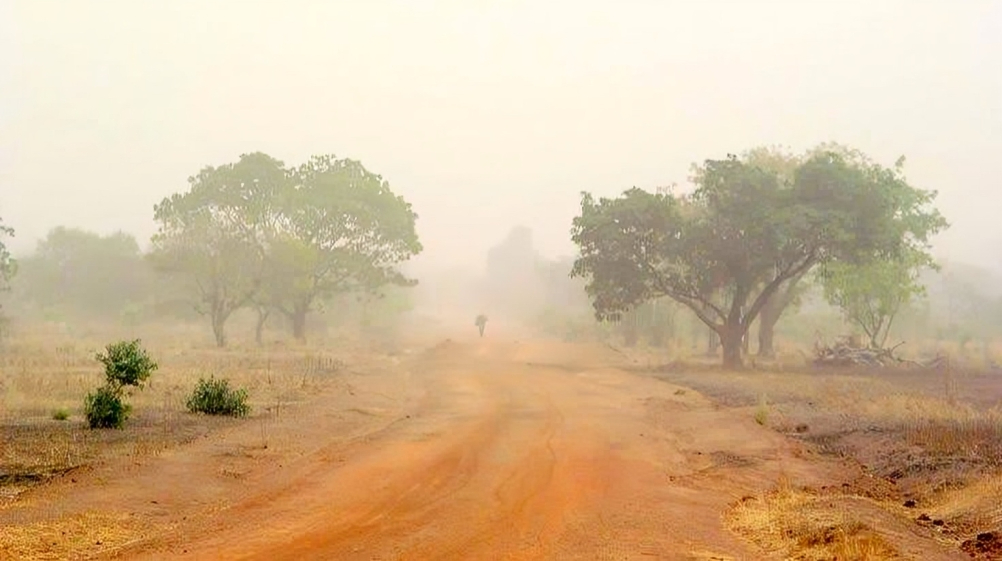
According to him, harmattan normally occurs when high atmospheric pressure over the Sahara region drives cold, dry winds southwards to the coastal areas of West Africa. However, this seasonal movement was weakened due to variations in temperature and pressure caused by climate change.
He noted that when pressure in the Sahara is not strong enough, the North East Trade Wind loses momentum and dissipates in the northern parts of Nigeria, failing to reach the southern regions. In such situations, the South West Trade Wind dominates, preventing harmattan conditions from prevailing in the South East.
Prof. Njoku further explained that both winds usually meet at the Inter-Tropical Convergence Zone (ITCZ), and whichever wind exerts greater force determines the prevailing weather. This season, he said, the South Westerly wind held back the dry harmattan wind, resulting in stagnant weather conditions that were neither cold nor distinctly dry.
The climatologist also linked the phenomenon to rising temperatures in urban centres of the South East, driven by activities such as road paving, construction, and increased urbanisation. These factors, he said, elevate local temperatures and reduce the region’s receptiveness to cold, dry winds from the North.
He recalled that in previous decades, the harmattan season typically began shortly after the last rains in November and lasted until late January, followed by a prolonged dry season. However, he noted that climate variability has altered these long-established seasonal patterns.
While describing the current situation as scientifically explainable, Prof. Njoku said it remains surprising to many residents whose livelihoods depend heavily on predictable weather cycles, especially farmers and traders.
He warned that the changing climate poses serious threats to agriculture, noting that irregular rainfall patterns could mislead farmers into planting too early or too late, leading to poor germination, crop failure, and post-harvest losses.
According to him, crops such as yam, cassava, and rice require specific climatic conditions for optimal yield, conditions that are increasingly difficult to guarantee under rain-fed agricultural systems amid climate instability.
Prof. Njoku cautioned that the combined effects of climate change, insecurity, and declining agricultural productivity could result in food scarcity and hunger in 2026 if urgent measures are not taken.
He therefore called on the Federal Government to promote a gradual transition from rain-fed agriculture to climate-smart and weather-controlled farming systems, similar to practices adopted in advanced economies.
The professor stressed that without decisive action, rising temperatures, declining soil moisture, and unpredictable rainfall will not only undermine food security but also worsen public health outcomes and overall productivity across the country.