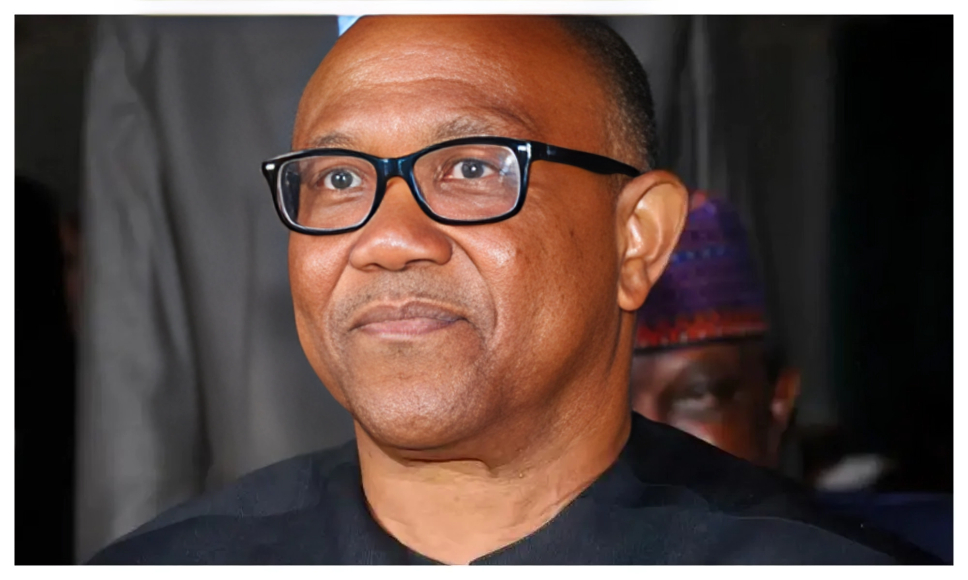
Peter Obi, presidential candidate of the Labour Party in the 2023 election, says Nigeria has become the third largest debtor to the World Bank, warning that continued borrowing without corresponding economic expansion is deepening the country’s crisis.
In a statement on Saturday, Obi cited recent World Bank data indicating that Nigeria’s obligations stand at approximately $18.7 billion, placing it behind Bangladesh, which tops the list with about $23 billion.
The former Anambra governor said borrowing in itself is not inherently wrong, stressing that countries often take loans to stimulate productivity and accelerate development.
“There is nothing fundamentally wrong with borrowing,” he said. “Nations borrow to improve productivity and stimulate growth. Debt becomes a problem only when it finances consumption, inefficiency or corruption rather than investment — which appears to be our case.”
Obi compared Nigeria’s economic trajectory with that of Bangladesh over the past decade, arguing that the difference lies in how borrowed funds are deployed.
According to him, Bangladesh’s nominal GDP was about $195 billion in 2015, with per capita income slightly above $1,235. By 2024–2025, he noted, the country’s economy had expanded to between $460 billion and $500 billion, while per capita income rose to around $2,700.
“In one decade, Bangladesh more than doubled the size of its economy, lifted incomes and strengthened its export base,” he said, attributing the growth to investment in manufacturing, textiles, energy and human capital.
Obi said Nigeria’s economic performance over the same period presents a stark contrast.
He stated that Nigeria’s GDP was about $490 billion in 2015, with per capita income ranging between $2,600 and $2,700. Today, he argued, the economy has shrunk to below $250 billion, while per capita income has fallen to between $850 and $1,000.
He blamed the decline on weak productivity growth, exchange rate instability, structural inefficiencies and corruption.
“Instead of expanding as Bangladesh has done, our economy has effectively contracted,” Obi said.
The former governor said the disparity between the two countries underscores that the core issue is not the size of debt but how borrowed funds are utilised.
“Debt tied to infrastructure, industry and human development fuels growth. Debt tied to consumption, leakages and corruption deepens stagnation,” he added.
Obi maintained that Nigeria can reverse the trend if it channels future borrowings into productive sectors.
“A new Nigeria, where loans — if taken — translate into productivity instead of consumption, is very much possible,” he said.