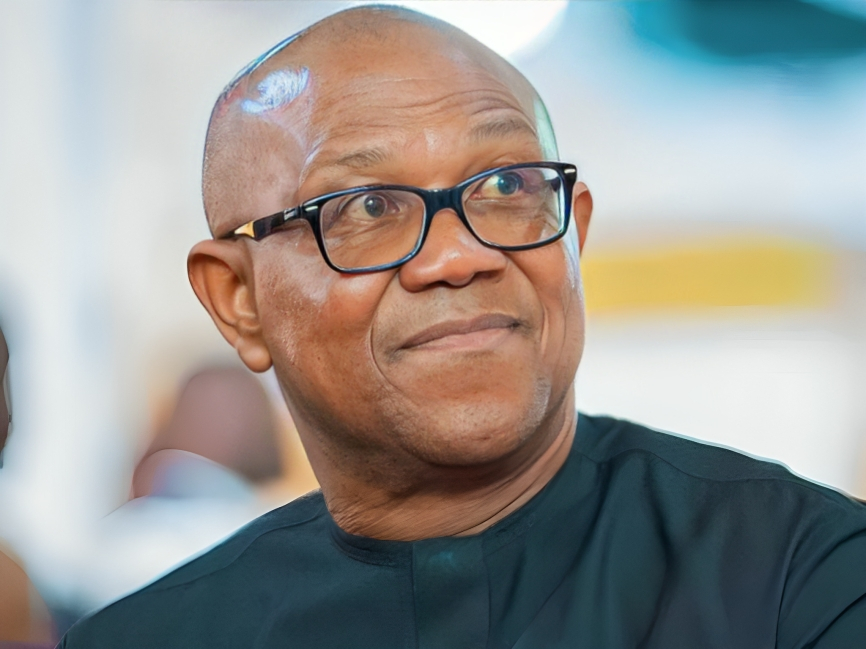
2023 Labour Party Presidential candidate, Peter Obi has offered a detailed explanation for his decision to quit the African Democratic Congress, insisting that former Vice President Atiku Abubakar did nothing against him and should not be blamed for his departure.
In a Sunday statement addressed to Nigerians, Obi said speculation around his exit was misplaced, stressing that neither Atiku nor ADC national chairman David Mark treated him unfairly.
He said both men remain deserving of his respect, describing Atiku as a political leader and elder brother whose relationship with him remains intact despite the crisis.
“My decision to leave the ADC is not because Senator David Mark treated me badly, nor because my leader and elder brother, Atiku Abubakar, or any other respected leaders did anything personally wrong to me,” Obi said.
Instead, Obi alleged that the same political forces that created turmoil inside the Labour Party had now turned their attention to the ADC.
According to him, the opposition party was already slipping into endless litigation, internal power struggles, suspicion and deepening division, rather than confronting Nigeria’s pressing economic and security troubles.
He said politics in the country had become centred on control, exclusion and personal domination instead of service, national rebuilding and problem-solving.
Obi also used the statement to describe the emotional burden of public life, saying many Nigerians do not understand the private pains, silent battles and personal struggles some leaders endure while trying to serve sincerely.
He said the national environment had become increasingly toxic, where intimidation, insecurity, constant scrutiny and organised discouragement are treated as normal parts of public engagement.
The former Anambra governor said what pains him more is when people believed to be allies publicly identify with someone but privately distance themselves or join campaigns of criticism.
He lamented what he called a warped value system where humility is interpreted as weakness, respect is seen as lack of courage, and compassion is mocked as foolishness.
According to him, equal treatment of citizens often becomes suspicious in a society obsessed with status, tribe, class and raw power.
Obi said he has never looked down on anyone except to lift them up, adding that he has never used privilege, office or resources to oppress others or make people feel small.
He maintained that leadership should mean sacrifice, service and creating opportunities for others to rise, not humiliating the vulnerable.
The former presidential candidate said even in places where one works sincerely, such a person can still be treated like an outsider while becoming the target of blame for every failure or misunderstanding.
He added that when such a person eventually leaves to allow peace, attacks often continue, with motives questioned and character maligned.
Obi said he often asks God why integrity is frequently misread as wrongdoing in Nigeria, and why prudent management of public resources is labelled stinginess.
He questioned why investments in education and healthcare are not celebrated, and why obedience to the rule of law is seen as weakness rather than discipline.
The politician said he is not desperate to become President, Vice President or Senate President, dismissing claims that personal ambition drives his political choices.
Rather, he said he is desperate to see a country where mothers are comforted instead of mourning children kidnapped or killed on their way to school or work.
He added that he wants a Nigeria where citizens no longer live in internally displaced persons camps but safely in their homes.
Obi further said he dreams of a nation where families do not sleep hungry or uncertain of their next meal.
Despite his frustrations, Obi said he remains resolute and convinced that Nigeria can still produce competent leadership anchored on justice, compassion and equal opportunity for all.